

There’s More to the equation
Writer Ian Valleau Photographer Camille McFaul Web Designer Anna Curtis
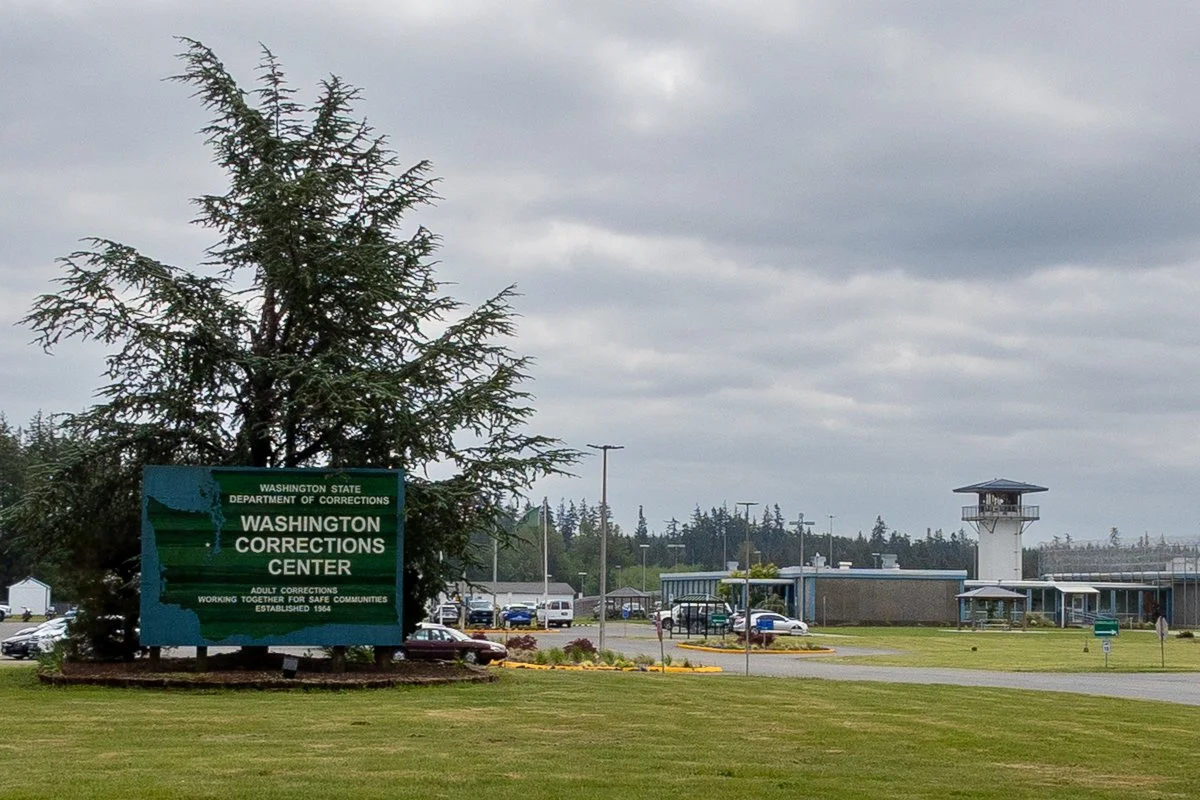
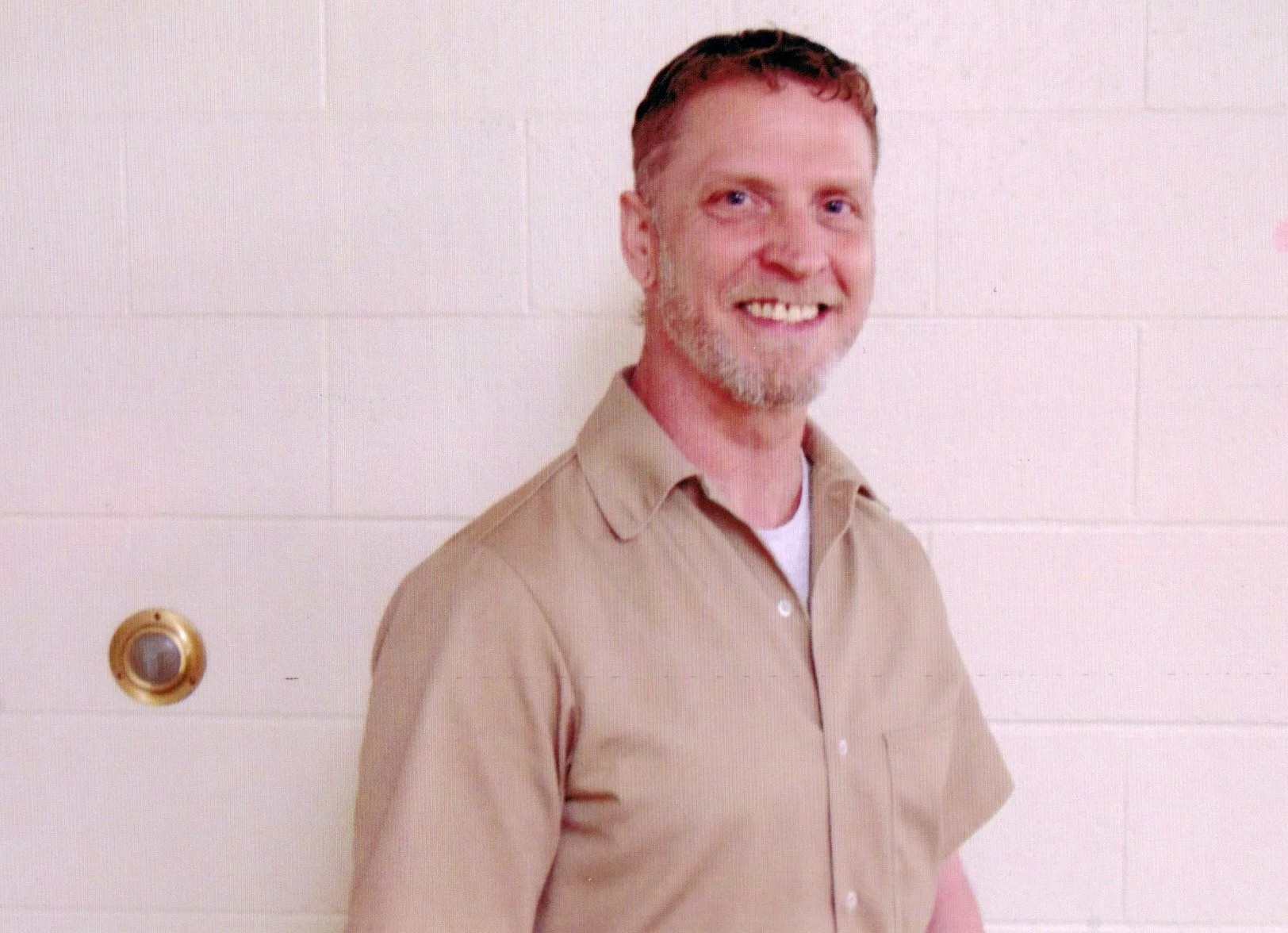
At the Washington Corrections Center in Shelton, Wash., Christopher Havens, 47, is serving a 25-year sentence. He runs the Prison Mathematics Project, transforming the facility into an unlikely hub for advanced academic study. Editor’s note: Recording devices were not permitted inside the Washington Corrections Center — where the only in-person interview with Havens took place. Certain pieces of this story were written from memory by Flux reporter Ian Valleau.
Christopher Havens thought the hard part of his life was over. For over 16 years, he bounced around multiple prisons and now resides at the Washington Corrections Center in Shelton, Washington.
In December 2025, the Washington Clemency and Pardons Board voted unanimously to commute his 25-year sentence for a murder he committed in 2010.
A signature from Washington Governor Bob Ferguson was all he needed.
The line was left blank.
Havens’s rehabilitation journey continues despite this devastating blow. He’s become a published mathematician and the director of the Prison Mathematics Project, a nonprofit organization that gives incarcerated people the opportunity to study math for productive rehabilitation.
A few months into a stint in solitary confinement, Havens noticed envelopes being slipped under neighboring cells by a man named “Mr. G.” Inside the envelopes were sheets of math problems for prisoners to pass the time in an educational way. Havens asked Mr. G to put him on the list to receive these packets.
“I was in this huge concrete box. It was just filled with screaming and noise,” Havens said. “I started doing these problems, and eventually, the math just muted out the prison. It was the first time I noticed that something outside of myself had the power to create change inside of me.”
He conquered packet after packet until the problems became too easy. He knew he hit his limit with the math resources that were available in prison, but his interest only grew.
He wrote letters to mathematicians, universities and publishers, seeking to have advanced problems mailed to him. Most of his letters went unanswered, but two professors at the University of Turin in Italy heard him out. Luisella Caire and her husband, Umberto Cerruti, answered the challenge.
Cerruti was initially doubtful that a prisoner 5,000 miles away had the skills to complete these problems. He was convinced by Caire to give Havens a chance. Sure enough, Havens mailed back lengthy and complete formulas.
“Sometimes a letter would take a month. It was a very slow process,” Havens said. “Luisella would never give me the answers. She was mailing material for me to research so that I would find the answers on my own. This mentorship was life-changing.”
In 2020, Havens teamed up with Cerruti to publish a peer-reviewed research paper in the math journal “Research in Number Theory.”
Havens noticed he was not the only one craving math as a positive habit. Other inmates began asking him for resources, so he started hosting tutoring sessions.
Halfway across the country, Walker Blackwell, a 15-year-old high school student in Dallas, Texas, heard about Havens’s journey online and emailed him with an idea.
In 2020, the national nonprofit organization, the Prison Mathematics Project, was founded.
The project is simple: pair mentor volunteers with incarcerated individuals in nearby facilities. Through these pairings, participants can work on math at their own level, utilizing academia to pass the time.
By late 2022, the PMP had a network of 450 volunteers and over 170 prisoners across 27 states.
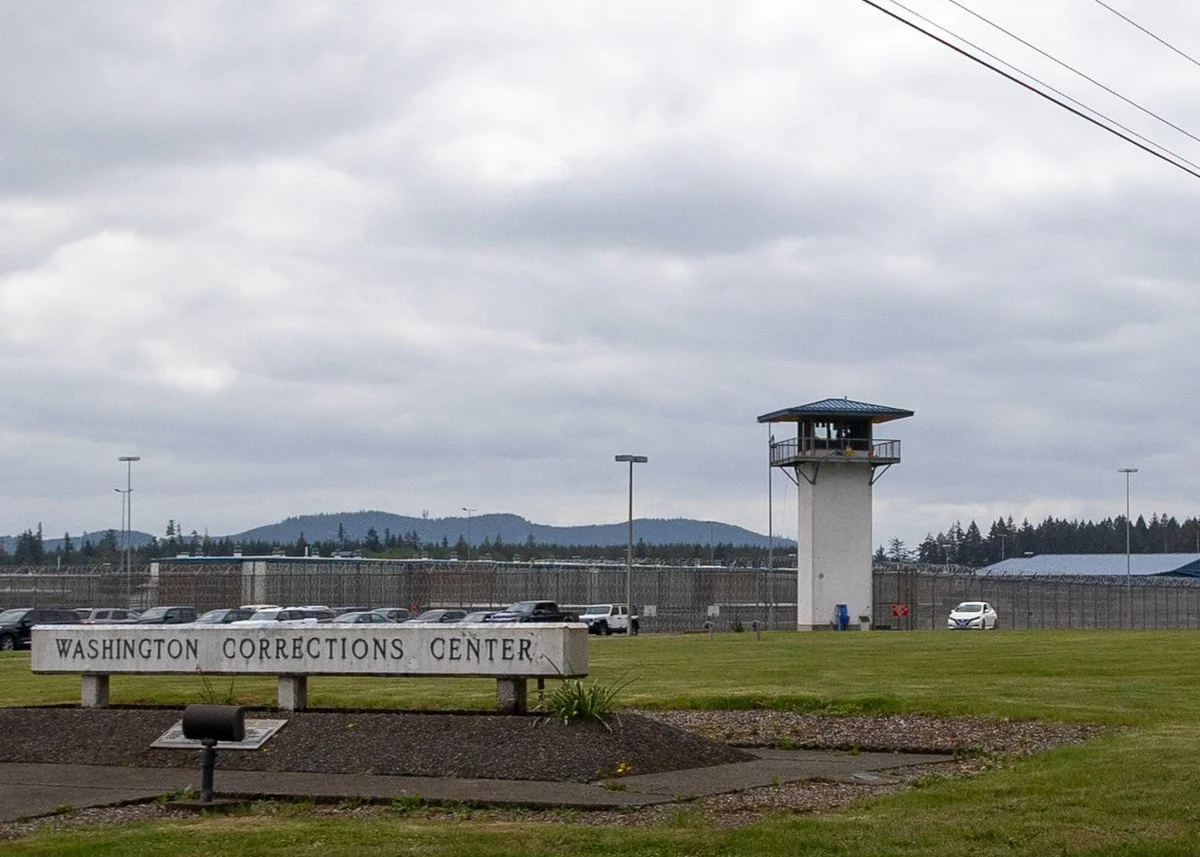
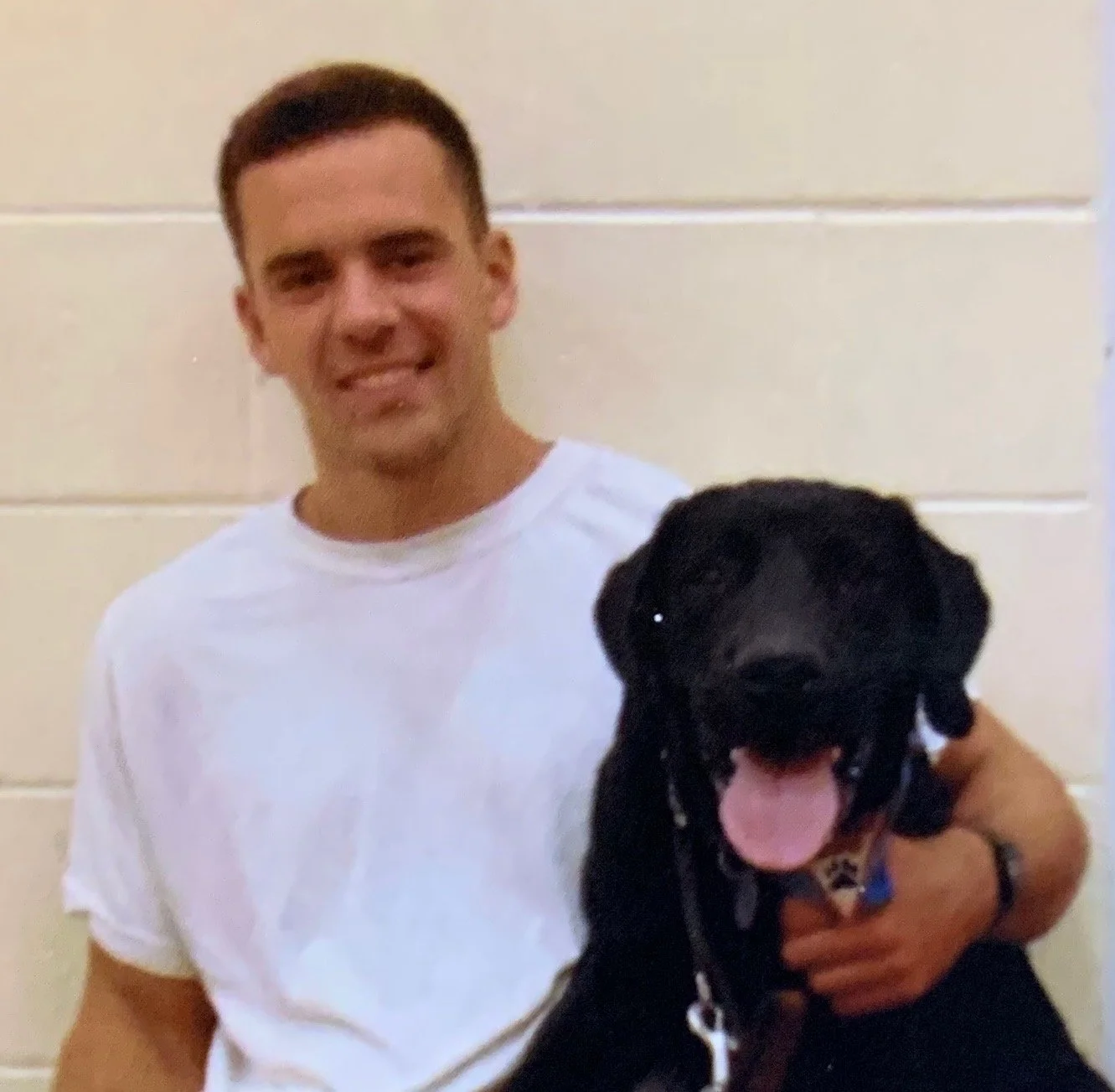
A guard tower rises above the razor-wire perimeter fence of the Washington Corrections Center in Shelton, Wash. Christopher Havens, 47, serves as acting director of the Prison Mathematics Project — running meetings, conducting original research and collaborating with mathematicians worldwide, with his cell doubling as both an office and a research lab.Travis Cunningham, a prisoner in the Ionia Correctional Facility in Ionia, Michigan, has spent more than a decade incarcerated for a crime he committed when he was 19. Early in his sentence, he got into advanced math, and Havens caught wind of his work.
When they connected, Havens was amazed by Cunningham’s deep understanding of scattering theory. The PMP connected him with one of the leading experts in the field, Tanya Christiansen.
Through Christiansen, Cunningham had his work published in the math journal “Asymptotic Analysis” in 2024. Now, he is working with Christiansen to apply to a Ph.D. program upon his release.
“Math is the one subject that really becomes a part of people’s identities,” Ben Jeffers, a longtime PMP mentor and former executive director, said. “For someone in prison who identifies as a non-math person, you can challenge that assumption of who you are as a person. That can go a really long way.”
Havens still types away at a tablet provided by the prison. The tablet only allows him to send 6,000 characters at a time to his contacts on the outside. The back-and-forth with mathematicians — who edit and critique his work — takes months.
He’s not seeking clemency anymore. The remaining 10 years of his sentence will be served.
“Society wants redemption,” Havens said. “When it comes down to it, there are a small handful of people who really want people to rehabilitate in prisons. We need people to transcend these expectations of the common prisoner.”