The lAST mONTHS
OF A
LANDMARK
Writer Alexandra Bondurant Photography Rachel Peterson Web Design Alexandra Bondurant
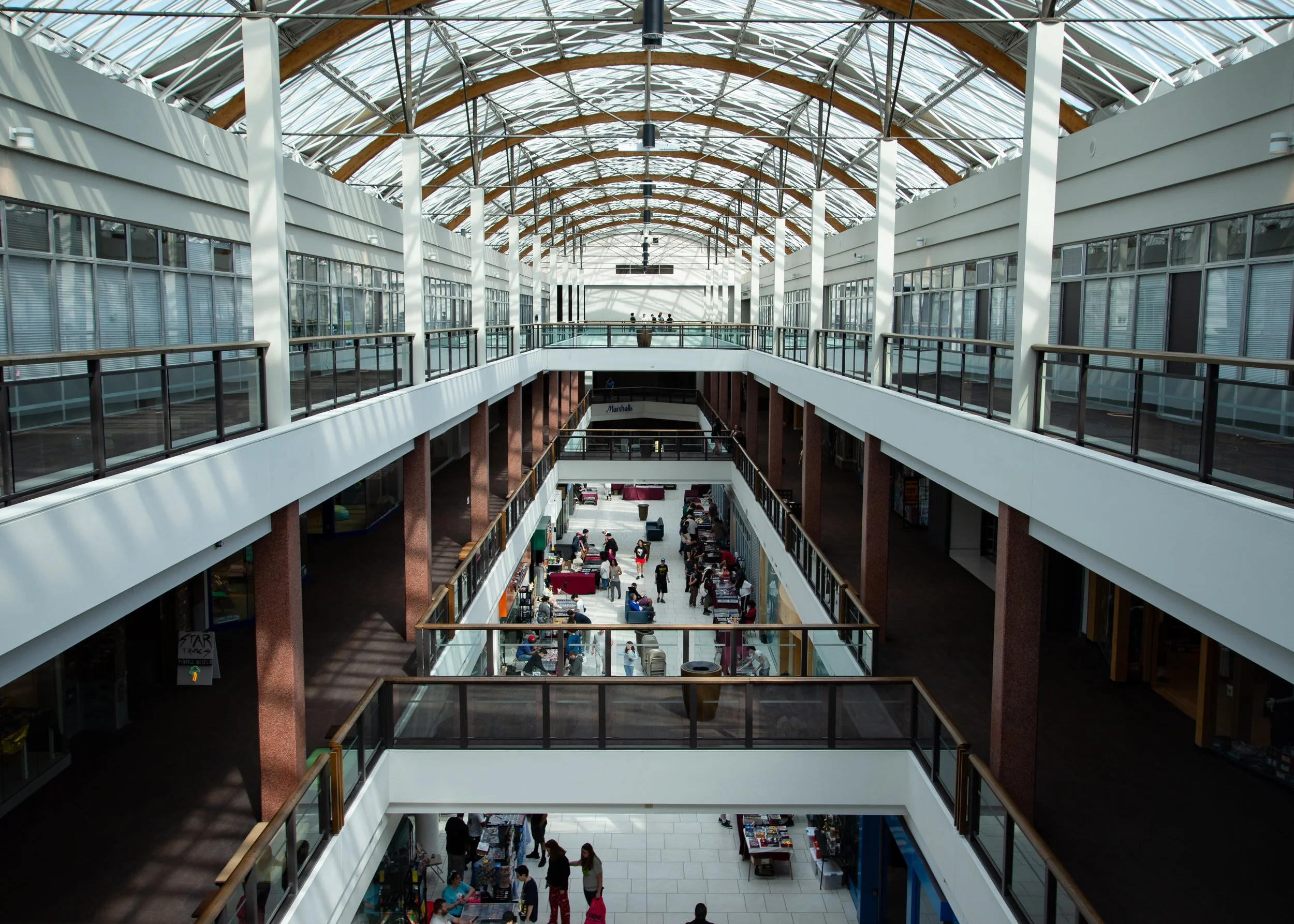
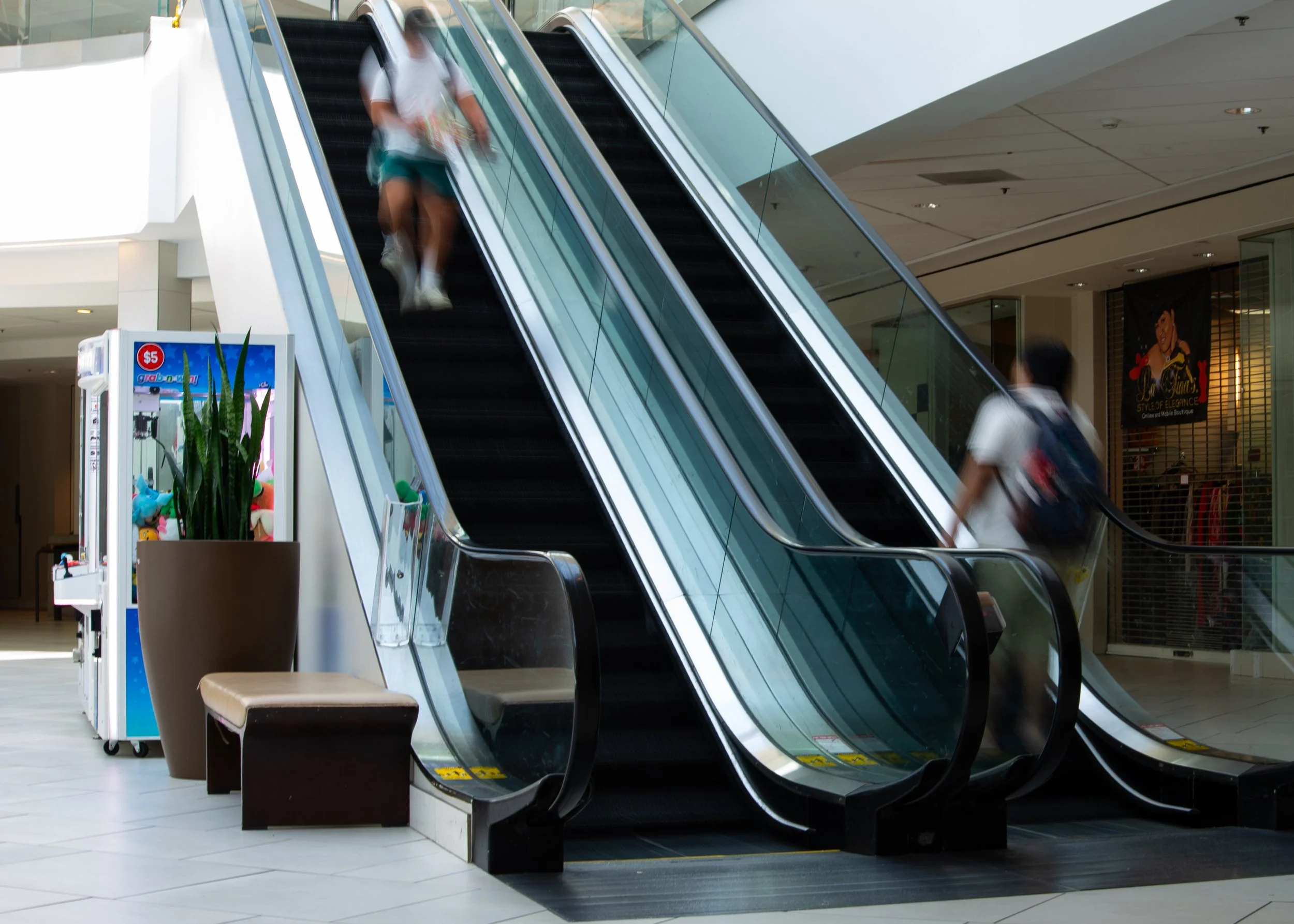
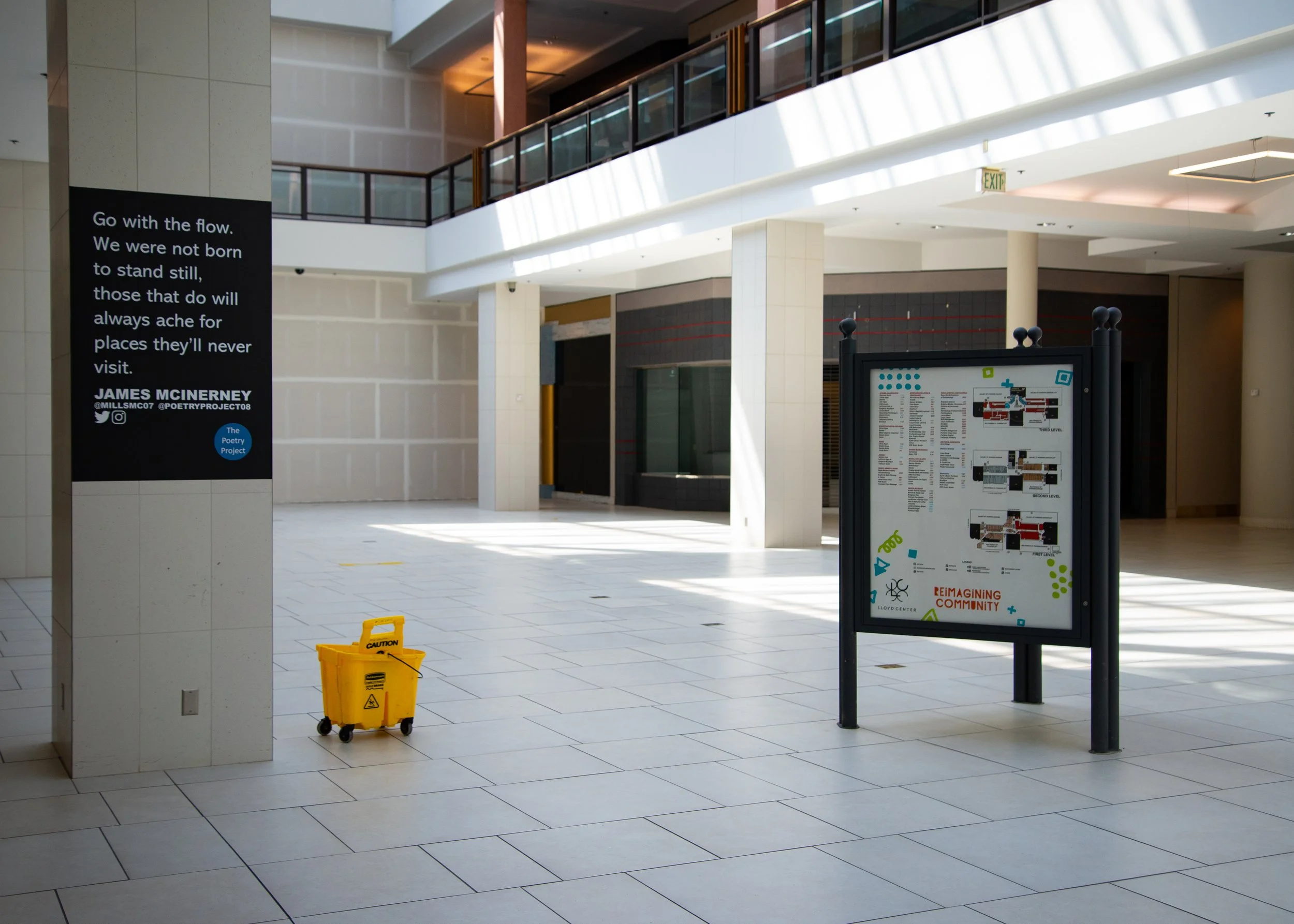
Sunlight beams through the glass atrium ceiling, illuminating empty boutiques sealed by metal grates. The sun warms the mall, which smells of Joe Brown’s Carmel Corn. Escalators lead to the vacant food court on the third floor, where a single janitor sits on break. Below, a handful of skaters trace figure eights on the ice rink, performing for mannequins in abandoned storefronts.
The Lloyd Center was once Portland’s jewel.
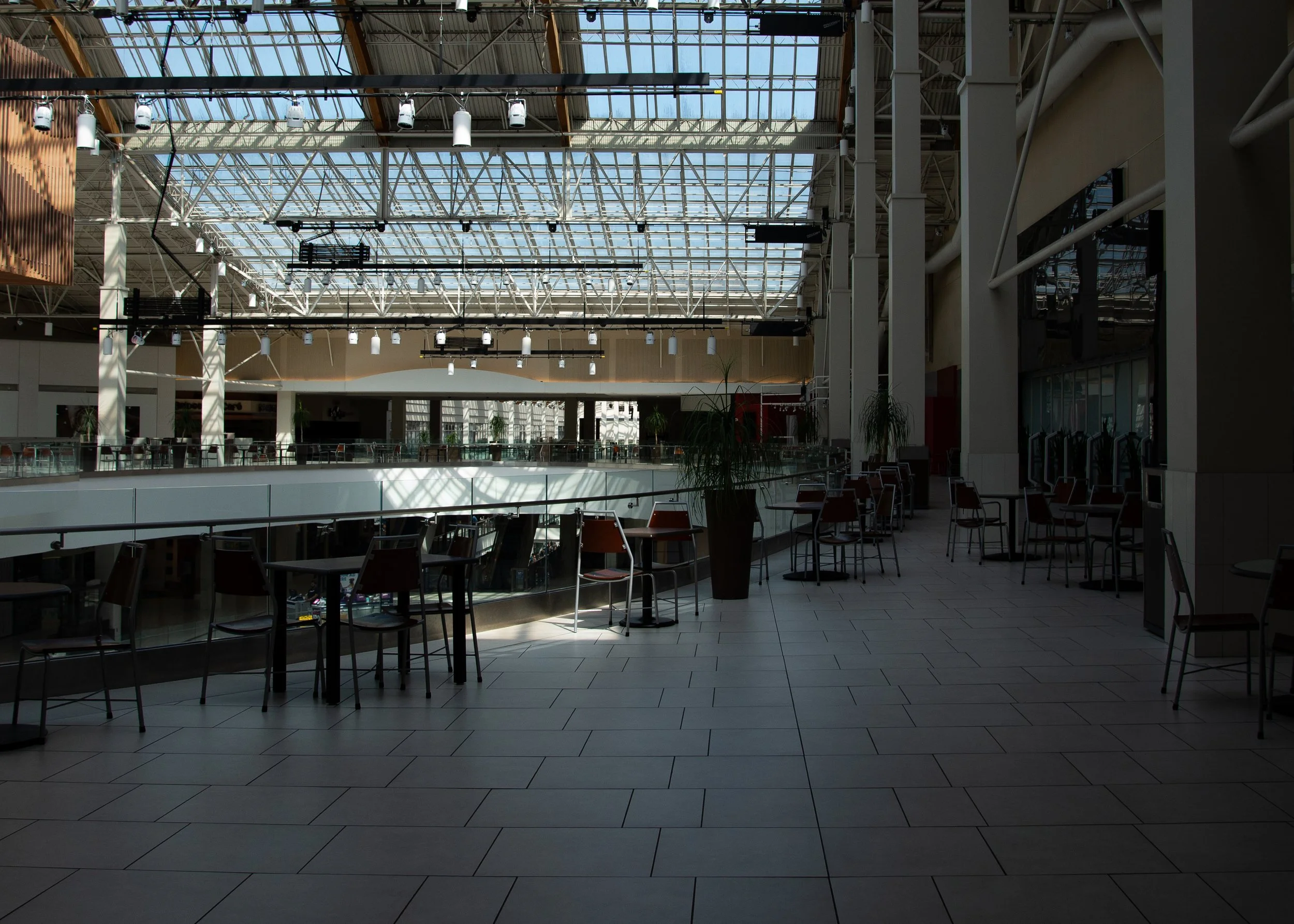
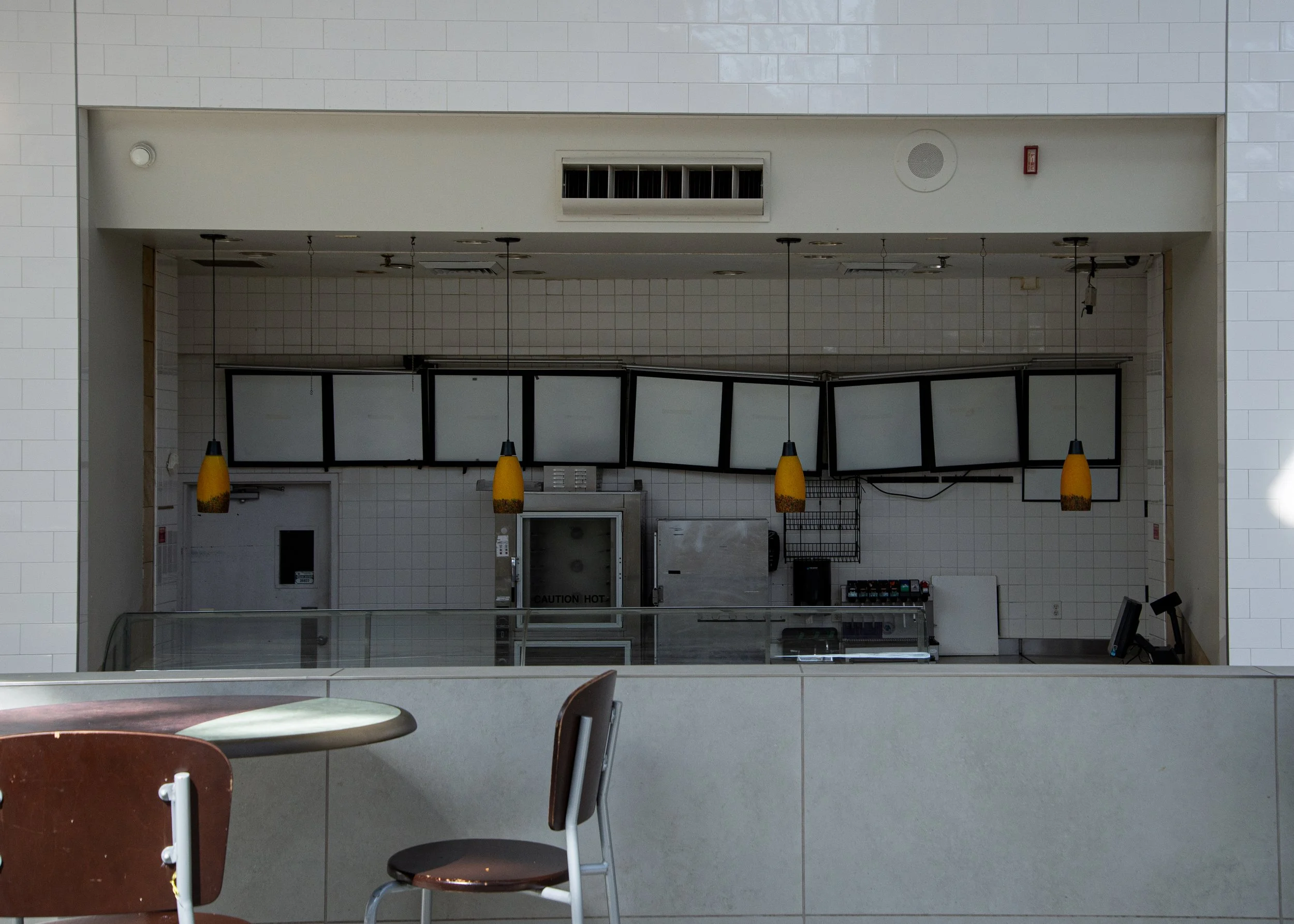
The third level of the Lloyd Center houses a once-bustling food court and a sunlit panoramic view of the ice rink. Out of 16 restaurant spaces, only three are occupied. 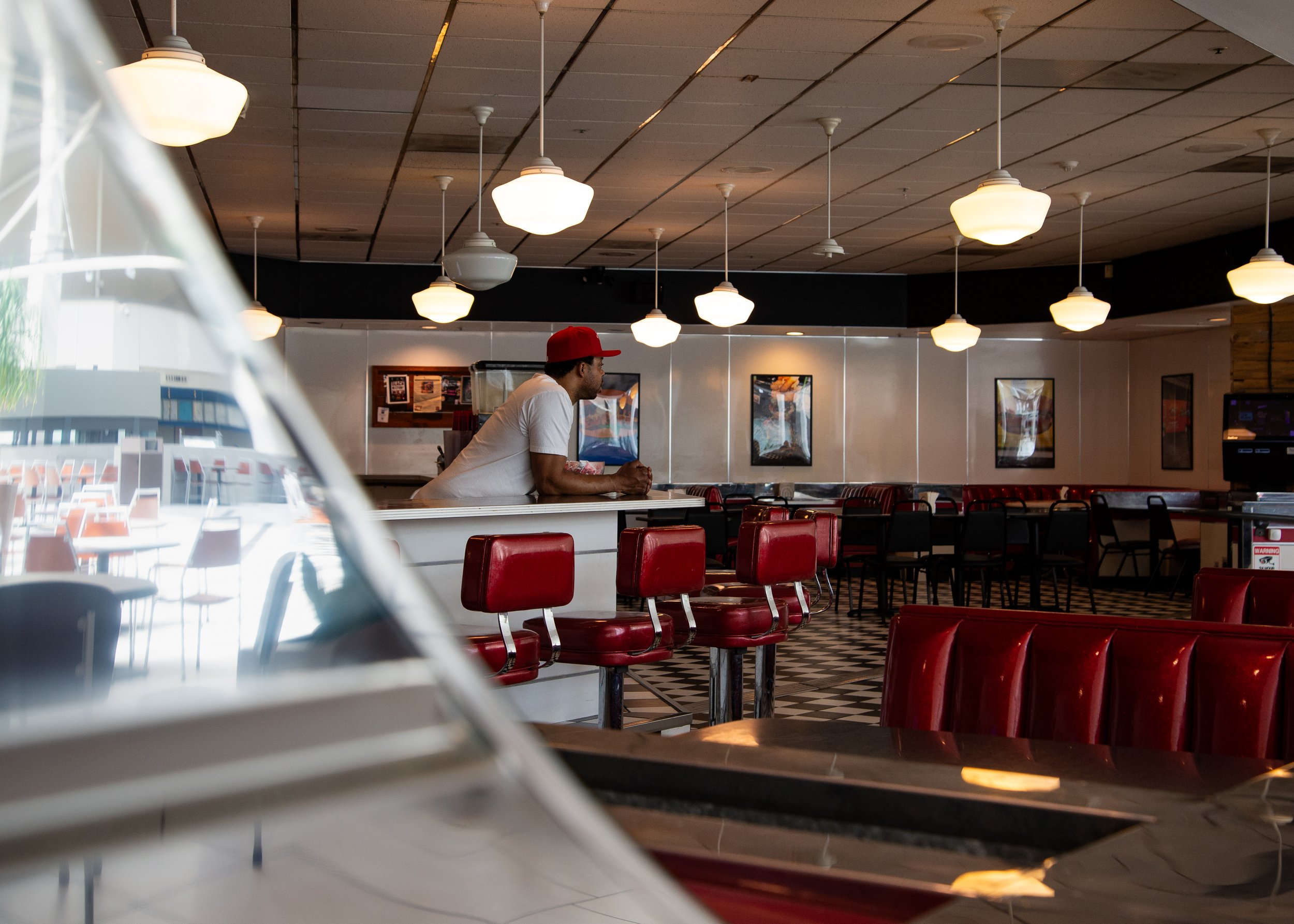

In the west corner, those seated in Stoopid Burger’s red diner booths have a prime view of visitors to the mall’s third level. The restaurant closed its standalone brick-and-mortar location in 2020, but opened in the Lloyd Center in 2025. It is one of the three remaining businesses in the food court, alongside La Korita Mexican Food and LoRell’s Chicken Shack.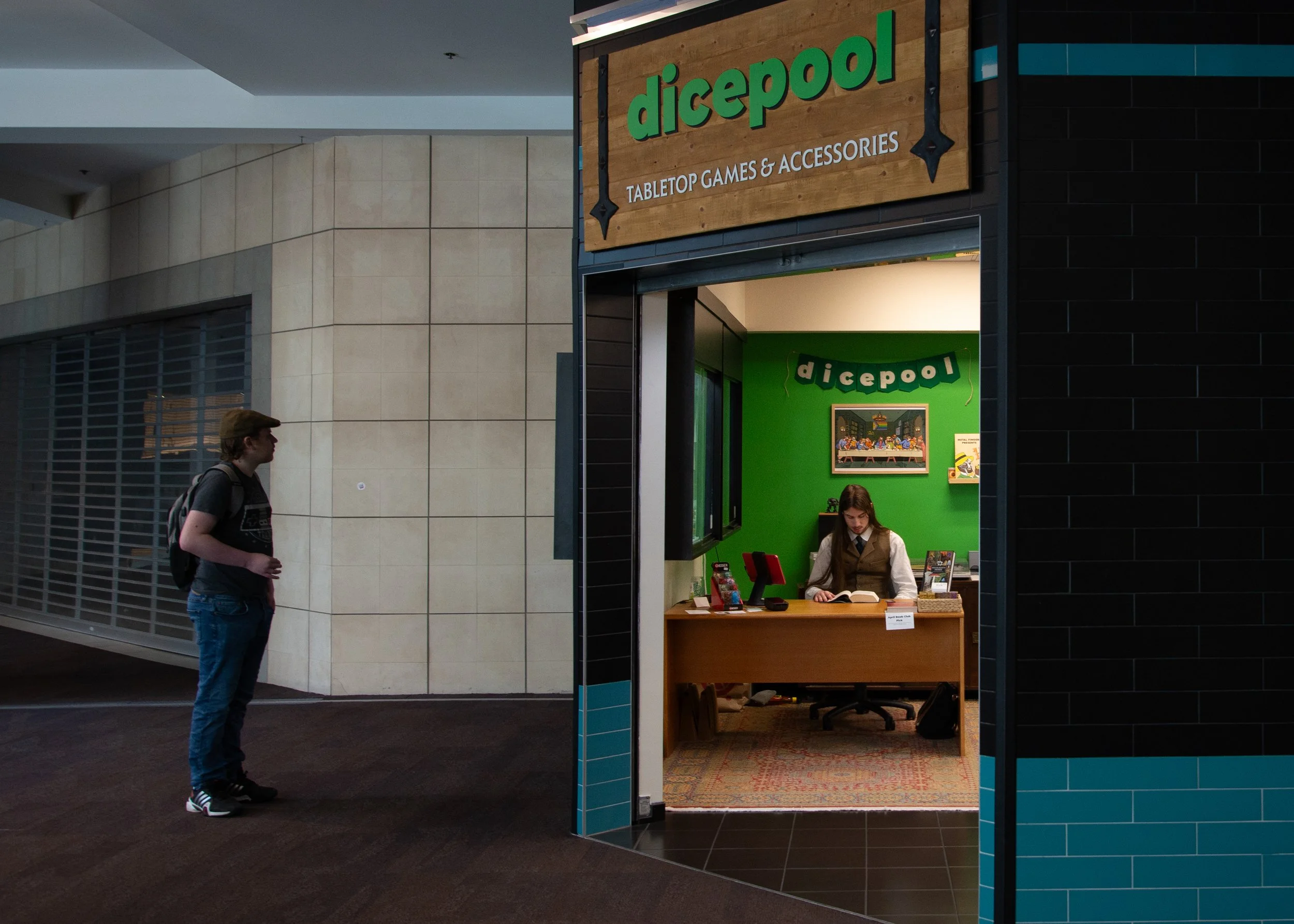
The vacancy can be felt, but more so, seen, with security grills blocking the shop entrances, most common on the west floors. The hopeful eyes of salespeople meet those of passing customers through shop windows decorated with signs that read “closing soon.” Each business in the mall fits one of three categories: moved out, moving out or holding on. 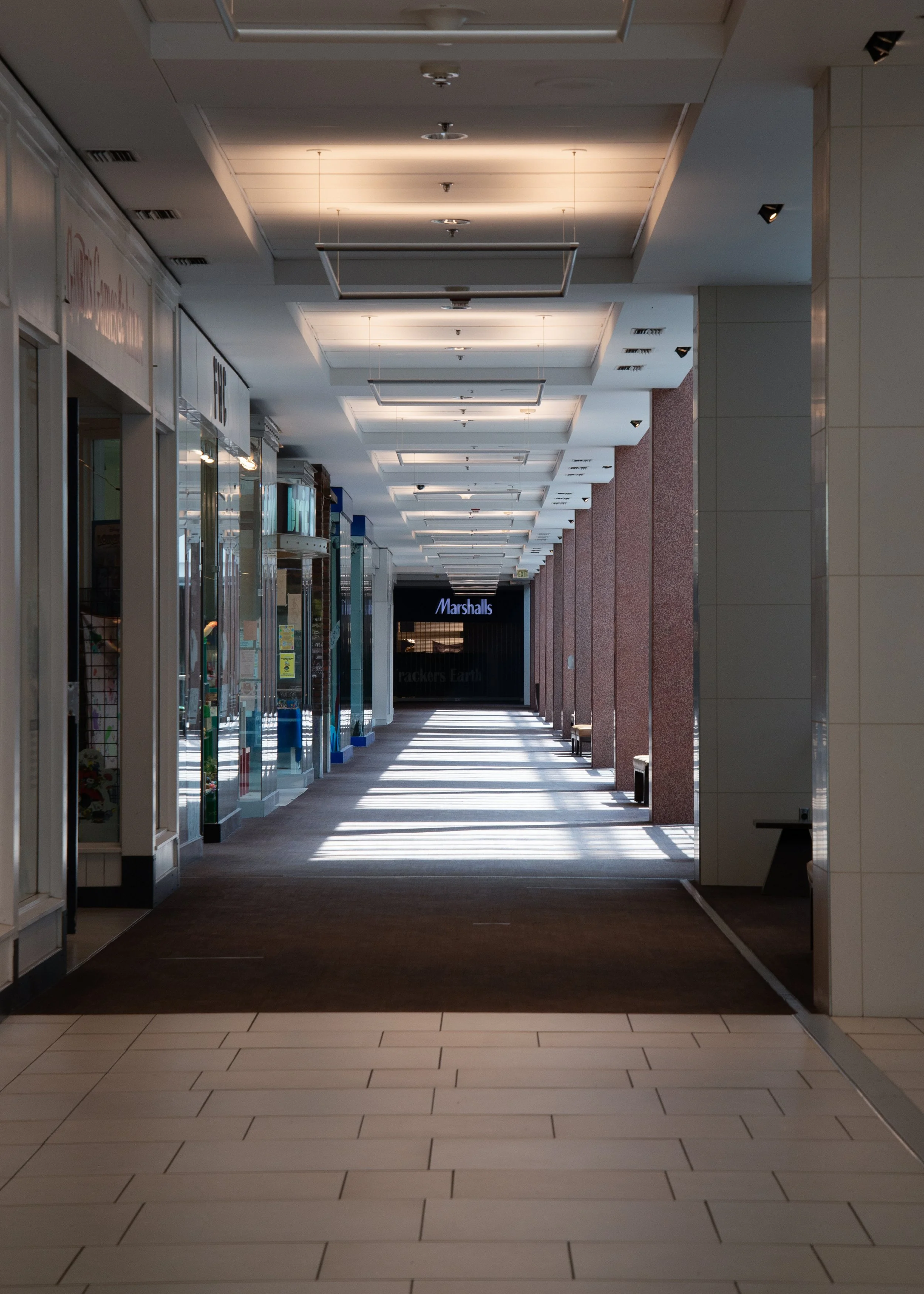
Marshalls closed their doors in January 2019, the third in a sequence of larger businesses that have left the Lloyd Center. Nordstrom Rack was the first, closing in 2015. Sears followed, closing in April of 2018. In 2021, Old Navy and Macy’s were the last to vacate, leaving the Lloyd Center without any anchor stores. The mall first opened its doors in 1960. At 1.4 million square feet, it was the largest shopping mall in America. The mall boasted the first indoor ice rink west of the Mississippi.
But by the 2000s, the mall began to show signs of age. Anchor stores closed throughout the 1990s and into the early 2000s.
In the 2020s, as online shopping continued to boom, COVID-19 delivered a near-fatal blow to the mall.
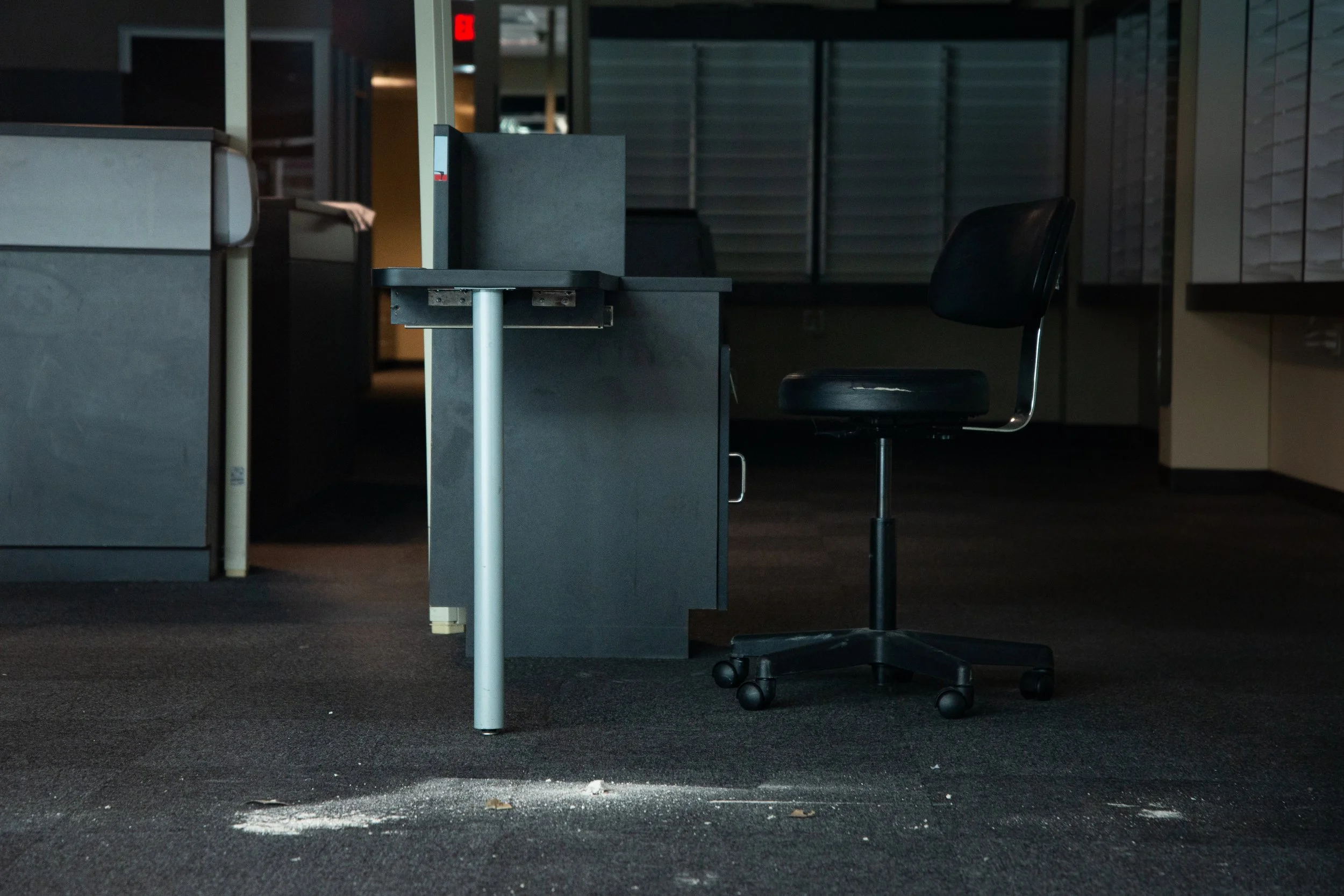
Despite apathy toward brick-and-mortar shopping, the Lloyd Center was sustained by the Portland community. Small businesses, vintage sellers, nonprofits and independent makers moved in after the pandemic; they found square footage at affordable prices.
Jason Levian, owner of Floating World Comics, an independent comic store and publisher, said,
“It’s really evolved, and it’s transformed into something different; it’s not the same mall that it used to be.”
These businesses breathed new life into the mall, dubbing their community The Lloyd Art District. Patrons gathered for affordable events, like a pop-up retro roller rink in the abandoned Marshalls and a 5k walk through the mall.
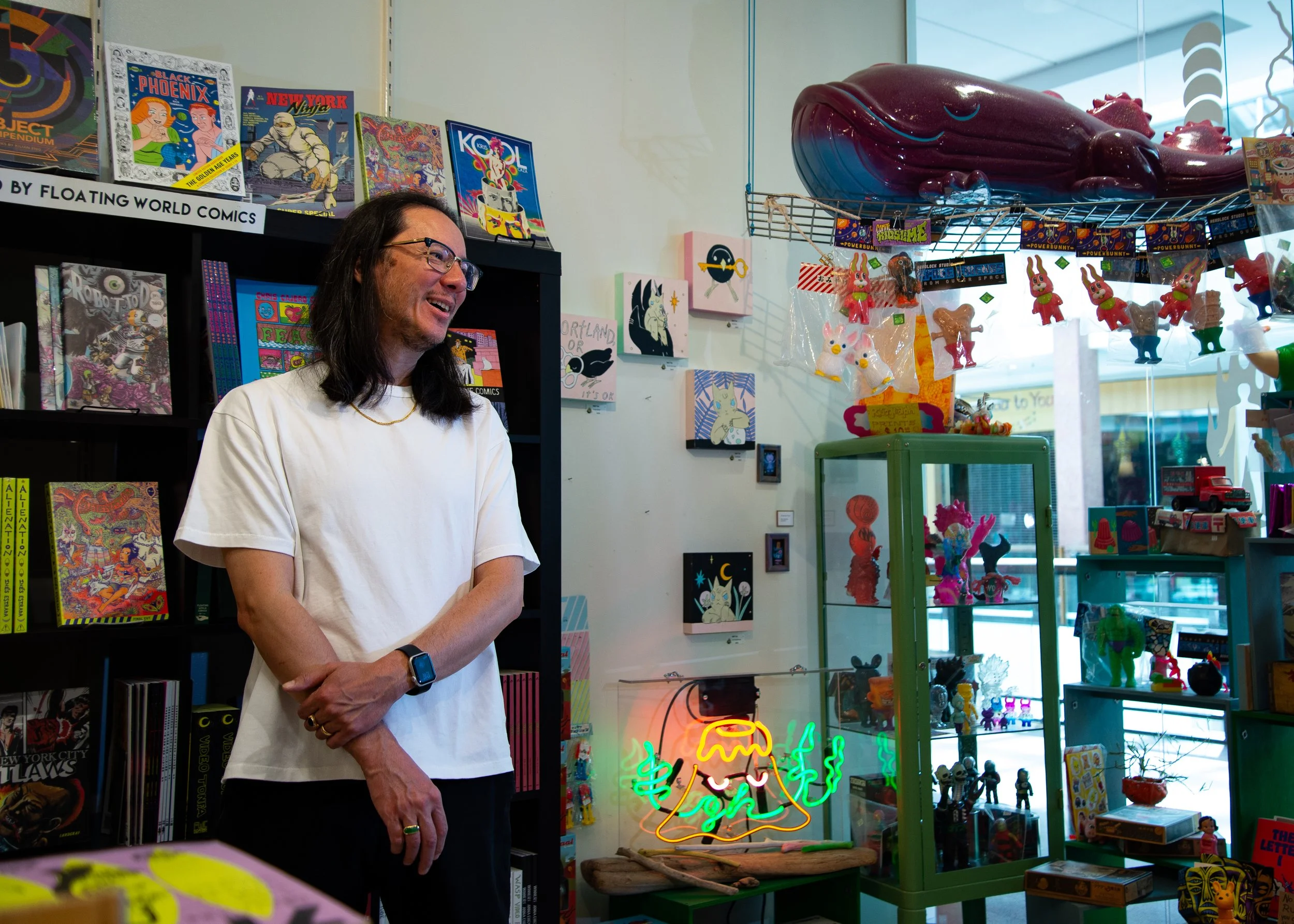
Jason Levian, 47, owner of independent comic book store and publisher, Floating World Comics, stands in front of a bookcase of self-published comics. “We have a very unique selection that you’re not going to find in any other store,” Levian said. “People know Floating World because of that.” 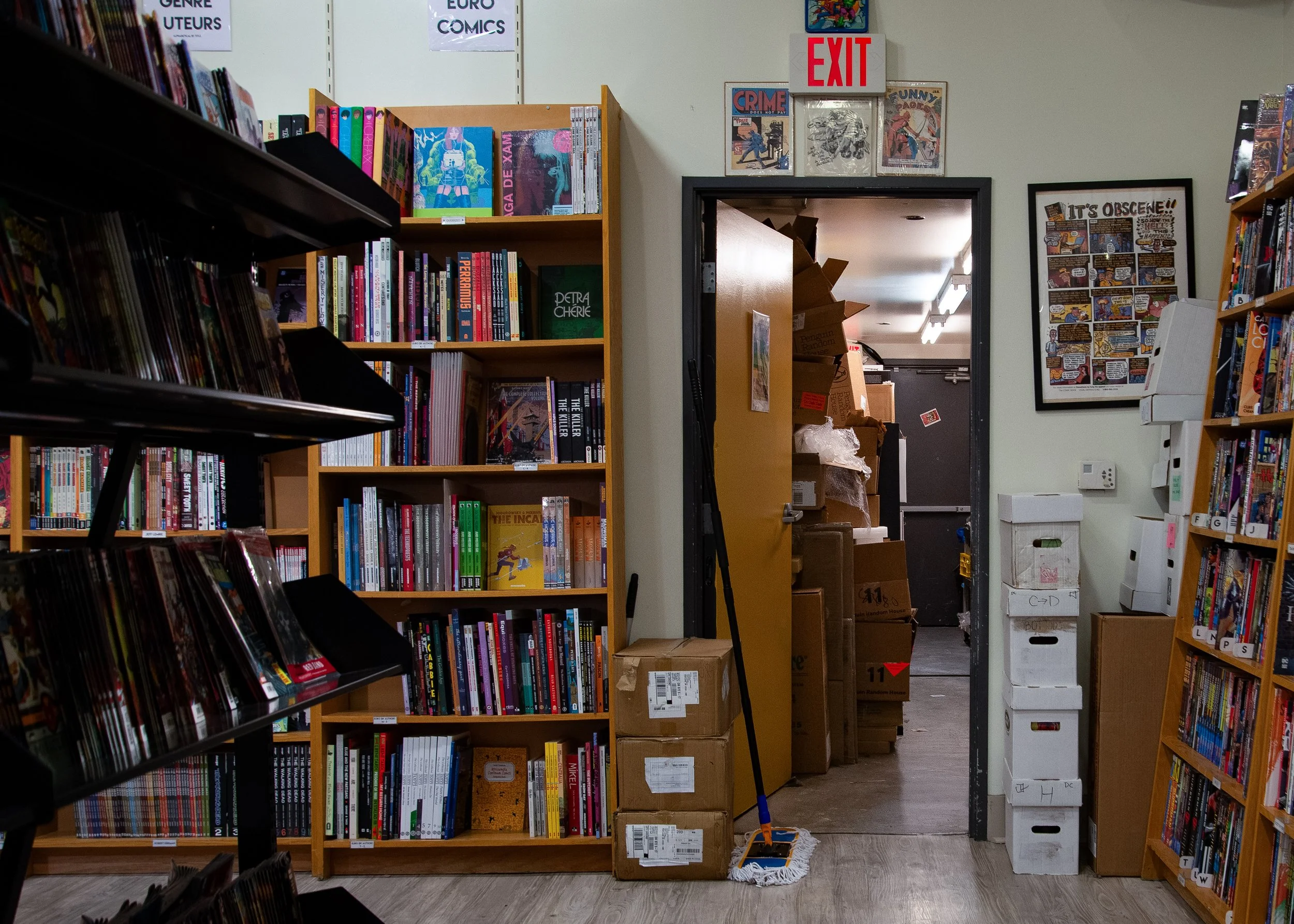
Levian plans to open his new location in Pioneer Place Mall, in Portland, Ore. on Aug. 12 — four days after the Lloyd Center closes to the public. Floating World has served the local Portland community for 20 years, on both sides of the Willamette River. When Levian first moved to the Lloyd Center in August 2022, Lloyd Center owner, Urban Renaissance Group, said the mall would likely close within 5–10 years. “Now that we’re at the end, I can see how they did a little bit of bait and switch,” he said.
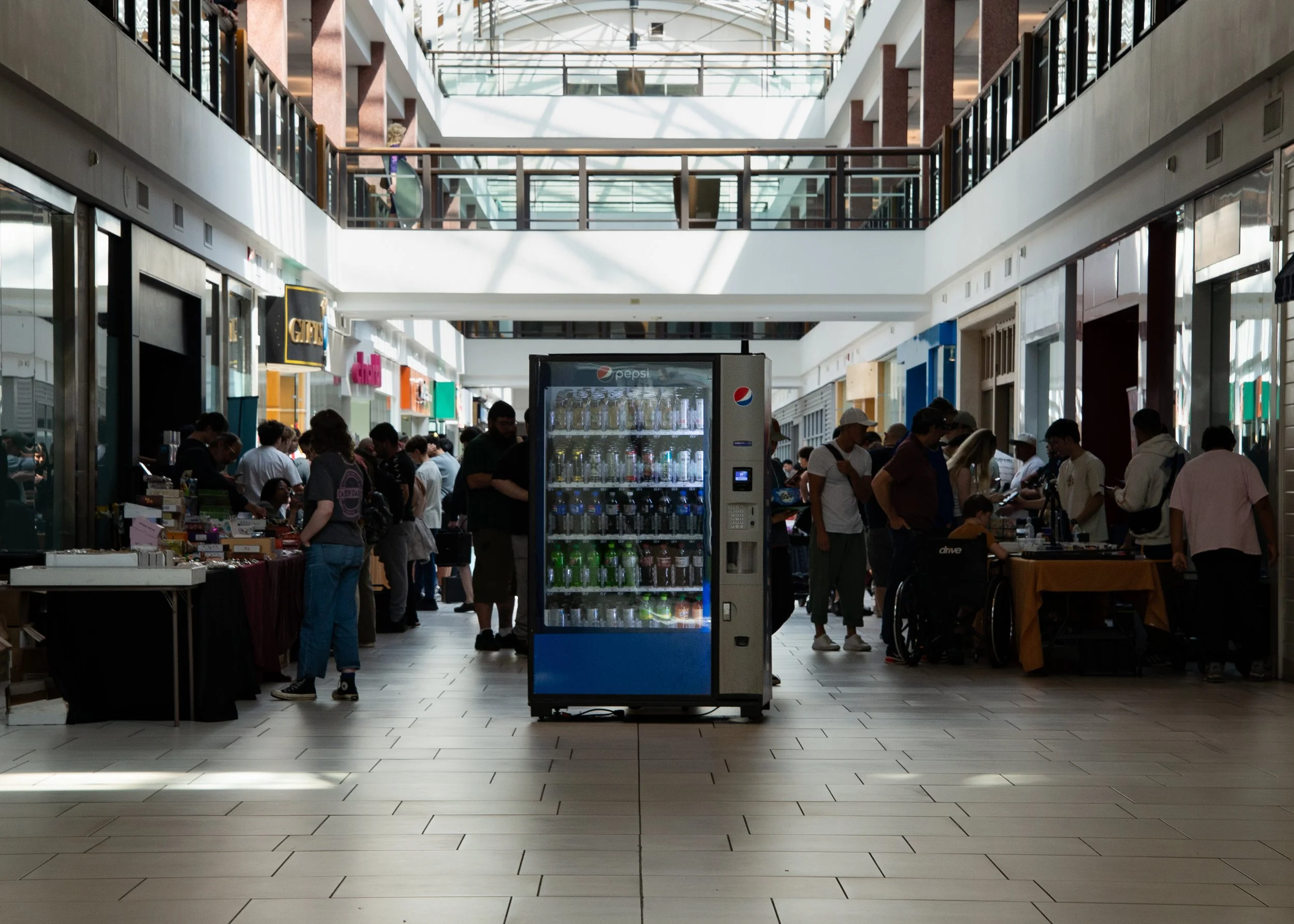
The small businesses of the Lloyd Center, such as Gambits Cards and Hobbies, Floating World Comics and Brickdiculous, have found success in their niches. Weekend Pokemon pop-ups and independent seller markets have bolstered engagement, filling the spaces left by larger chain stores.The Spot Market, a seasonal pop-up, takes over the empty Gap store a few times a year, providing a space for more than 40 business owners to sell their products. Weekly Rock and Skate sessions draw people to the ice rink on Fridays and Saturdays. Card shows fill empty halls with members of Portland’s various collector communities. “There is nostalgia, but it’s not like we want Sears to come back, right?” Ben Houston, owner of Tellurian, said. “Look at what we transformed it into. Something totally new that didn’t exist before.” 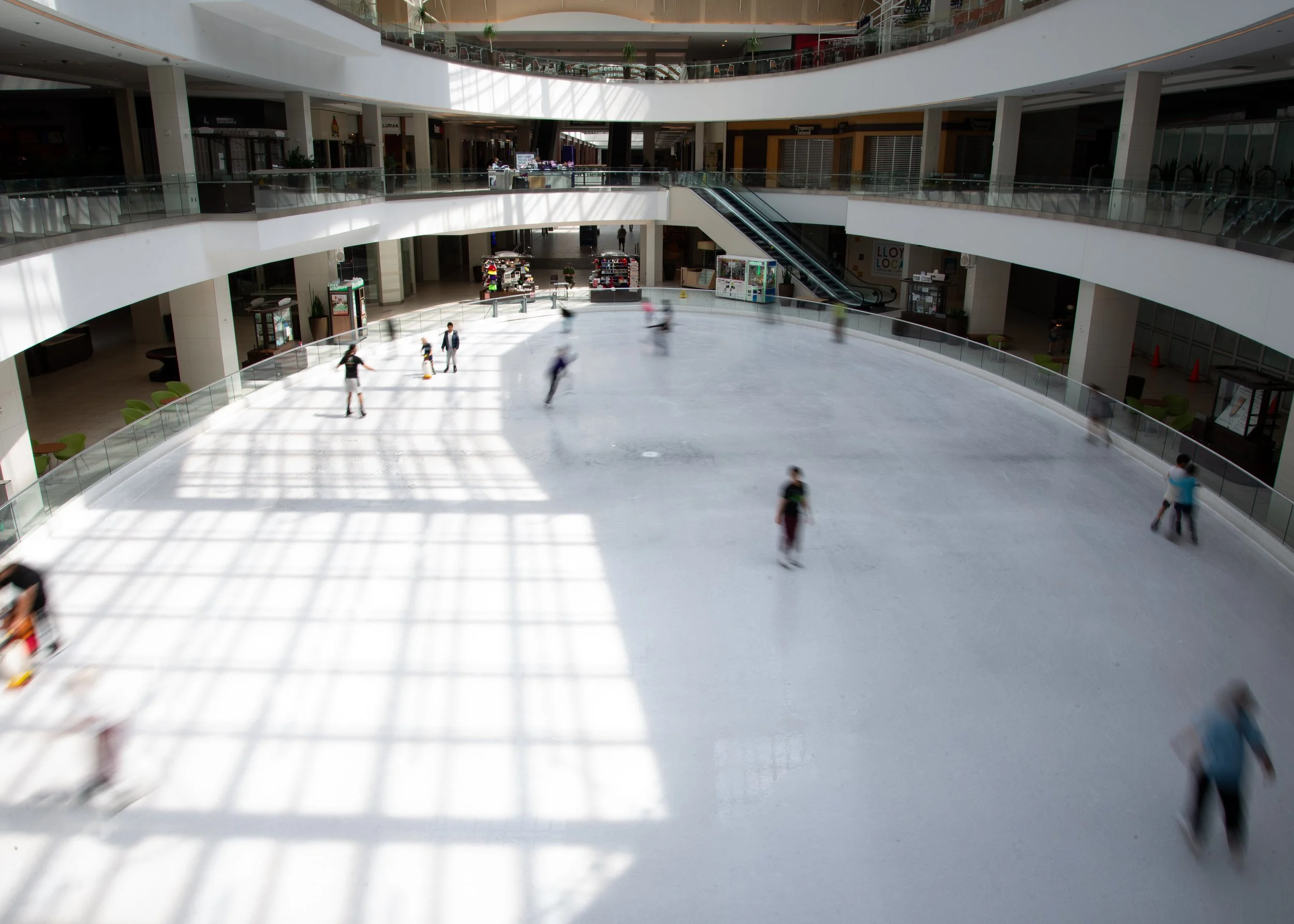
Earlier this year, Urban Renaissance Group, the mall's current owner, announced its permanent closure. They have declined to comment.
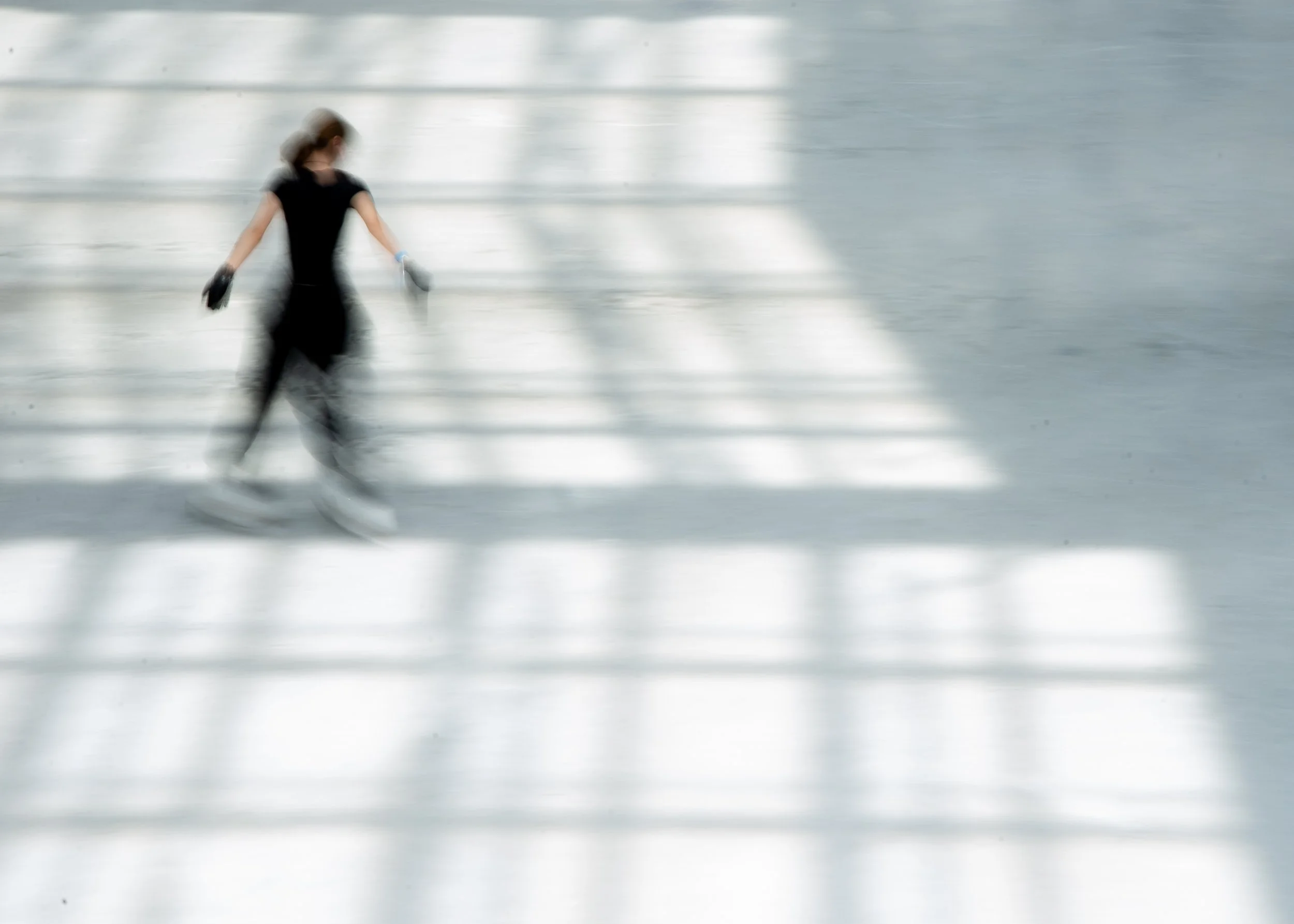
The ice rink is a well-known attraction at the Lloyd Center. Opened in 1960, it was the world’s first indoor shopping center rink. As of 2026, it remains the only rink located within Portland’s city limits. From locals spending their weekends on ice to professional skaters like Tonya Harding, the number of visitors to the Lloyd Center ice rink is estimated to be in the millions. In public testimonies at the beginning of 2026, a majority of opinions voiced anger, frustration and sadness over the upcoming loss of the ice rink. Urban Renaissance Group had originally stated they would keep the ice rink, preserving “the features of the property that make it special.” As of February 2026 plans, the rink is not included. During the 2025 Winter Olympics, Olympic medalist Ilia Malinin drew attention to the Lloyd Center when he joined fellow skater and coach, Samuel Mindra, in support of saving the ice rink. Mindra, a professional figure skater who grew up on the rink in Portland, reposted a petition from the Save Lloyd Ice Coalition in a final effort to preserve the culturally significant structure. The Lloyd Center’s role as a third space has shaped Portland for years. Third spaces, places designed to be social hubs for communities, have shrunk in quantity across the country. These spaces are critical infrastructure for bringing people together and affirming social identities. The loss of the Lloyd Center is a real-time reflection of this ongoing national crisis.
Jason Andersen, the owner of Star Tropics Pinball Museum, said,
“The hard part about being a small business owner is the uncertainty and no timeline for what is going to happen.”
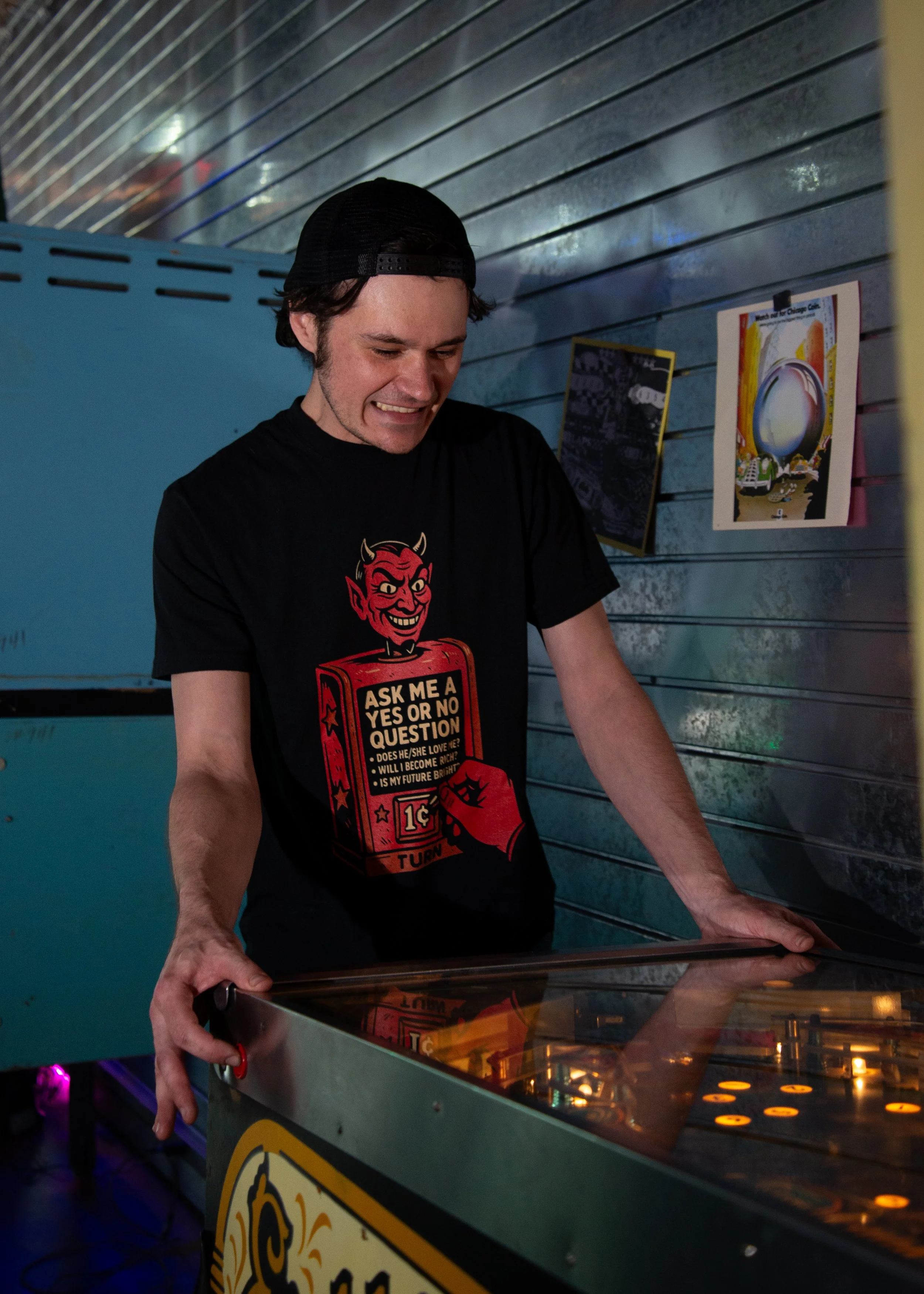
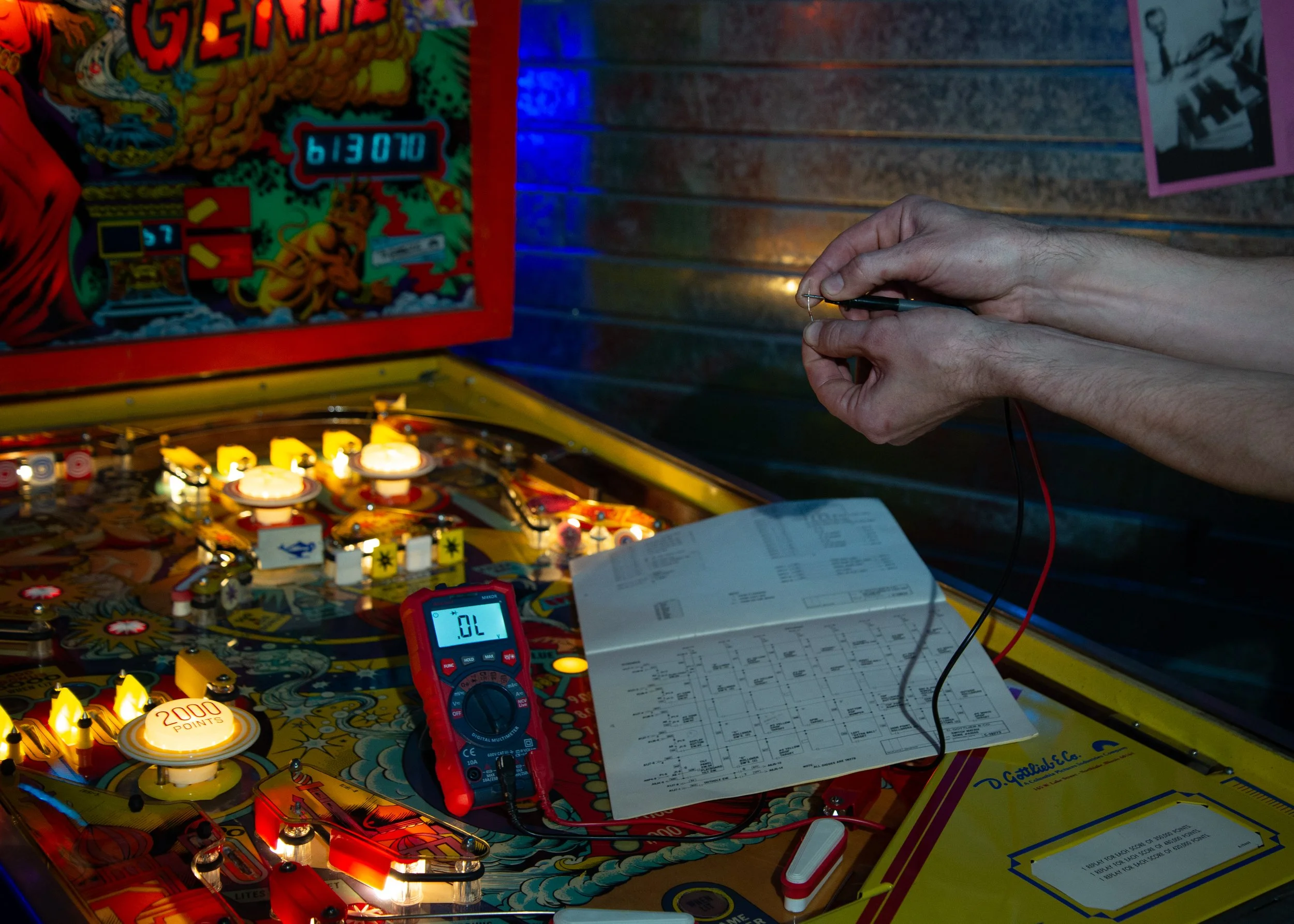
Jason Andersen’s favorite pinball machine is the “Eight Ball Deluxe” from 1981. When the 40-year-old owner and curator of Star Tropics Pinball Museum opened in February 2024, his lease was only supposed to be 90 days. Now, two years later, he’s returning his 13 machines to his garage, where the museum started. “Pinball is truly special, there is no pause button, there is no save button,” he said, “I will go back to doing what I love and keeping arcade culture alive, even if it’s just out of my house.”
Each of the machines in the museum have been fixed by Anderson. He repairs circuit boards and mechanics before putting them out to be played. A good portion of the museum’s visitors are engineers who become interested in his work, as well as people seeking to learn about the technology behind these machines. Over the course of his time at the Lloyd Center, he’s learned one thing: “If you give to the community, the community gives back.”Since Urban Renaissance Group’s announcement, a grassroots “Save Lloyd” petition has garnered thousands of supporters. However, no amount of signatures could save the Lloyd Center. It will permanently close on Aug. 8.
Until then, the mall exists in limbo.
Remaining stores host flash sales during their final days, liquidating remaining stock.
Ice skaters still trace elegant circles on Portland’s only ice rink, savoring what is left of a Portland landmark.
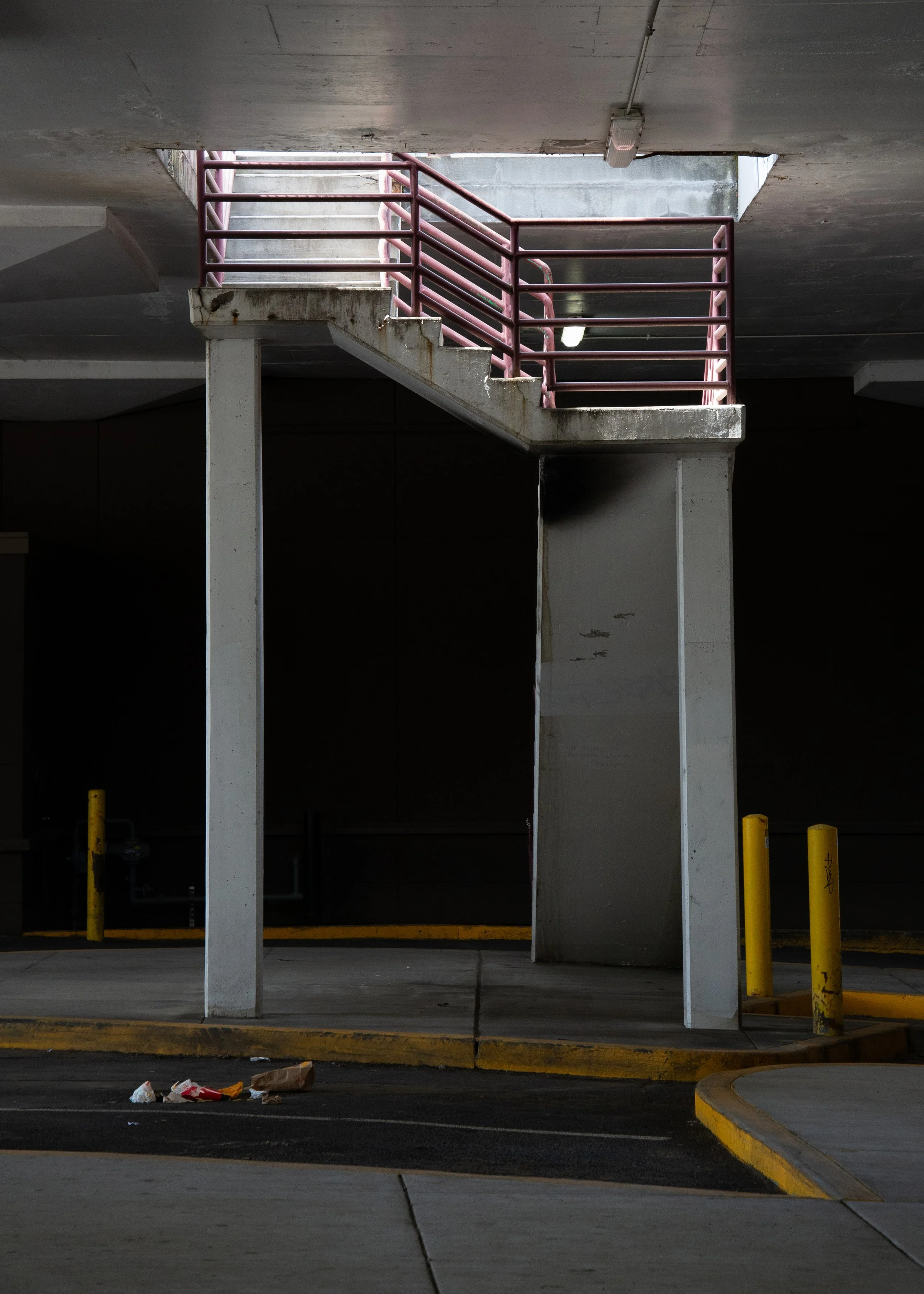
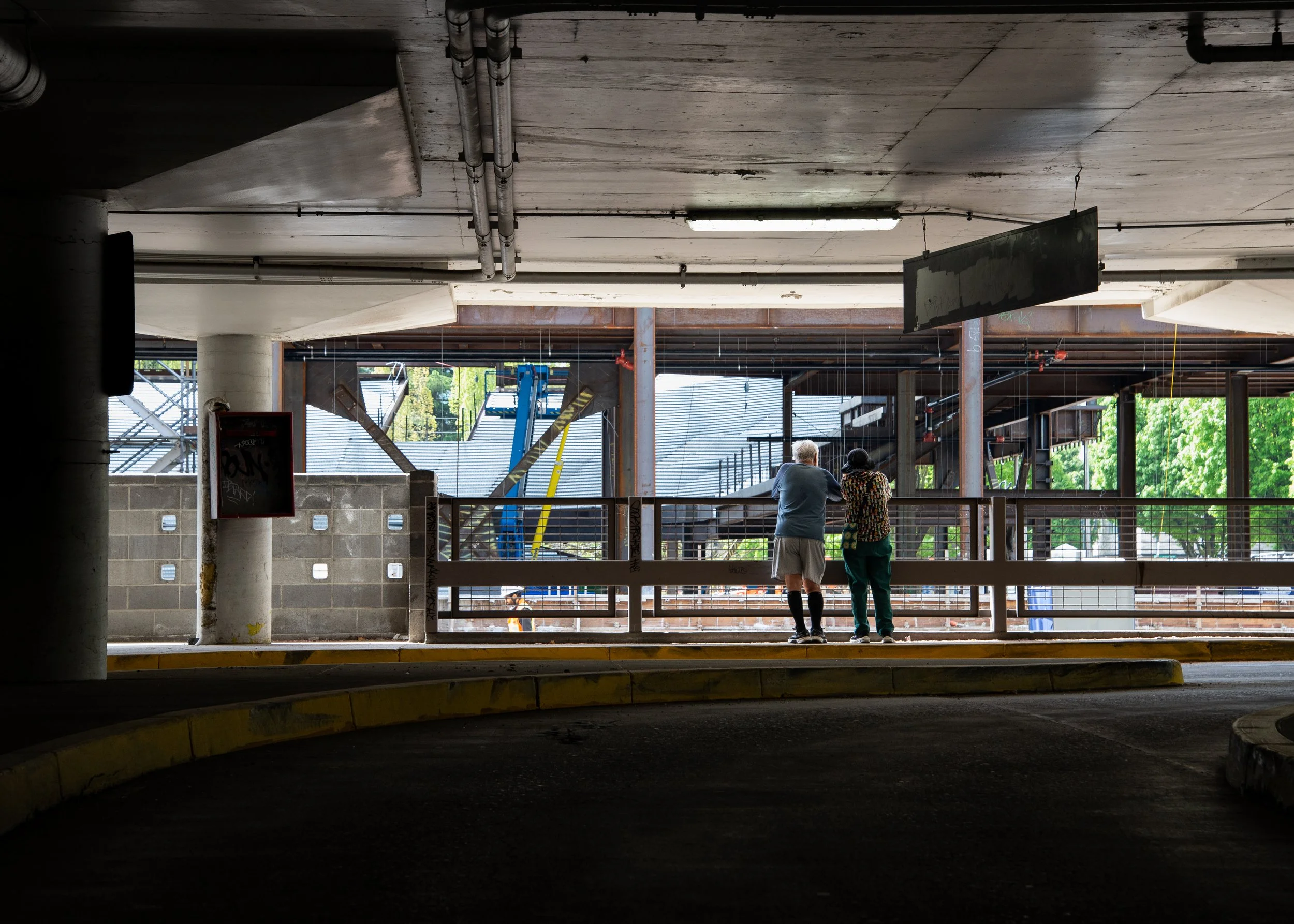
The Lloyd Center is the largest shopping center in Oregon. However, less than half of the 1,472,374 square feet are being used.
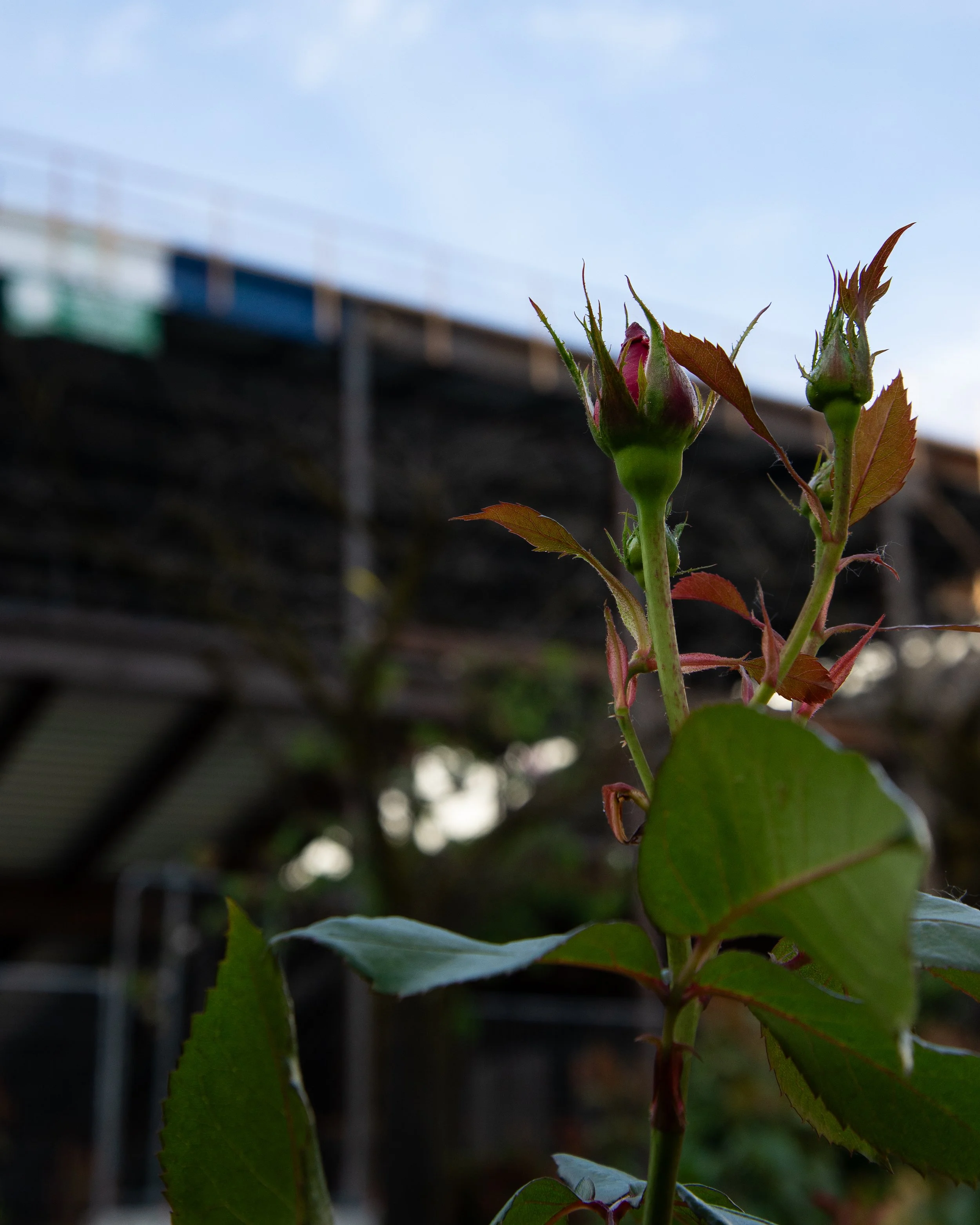
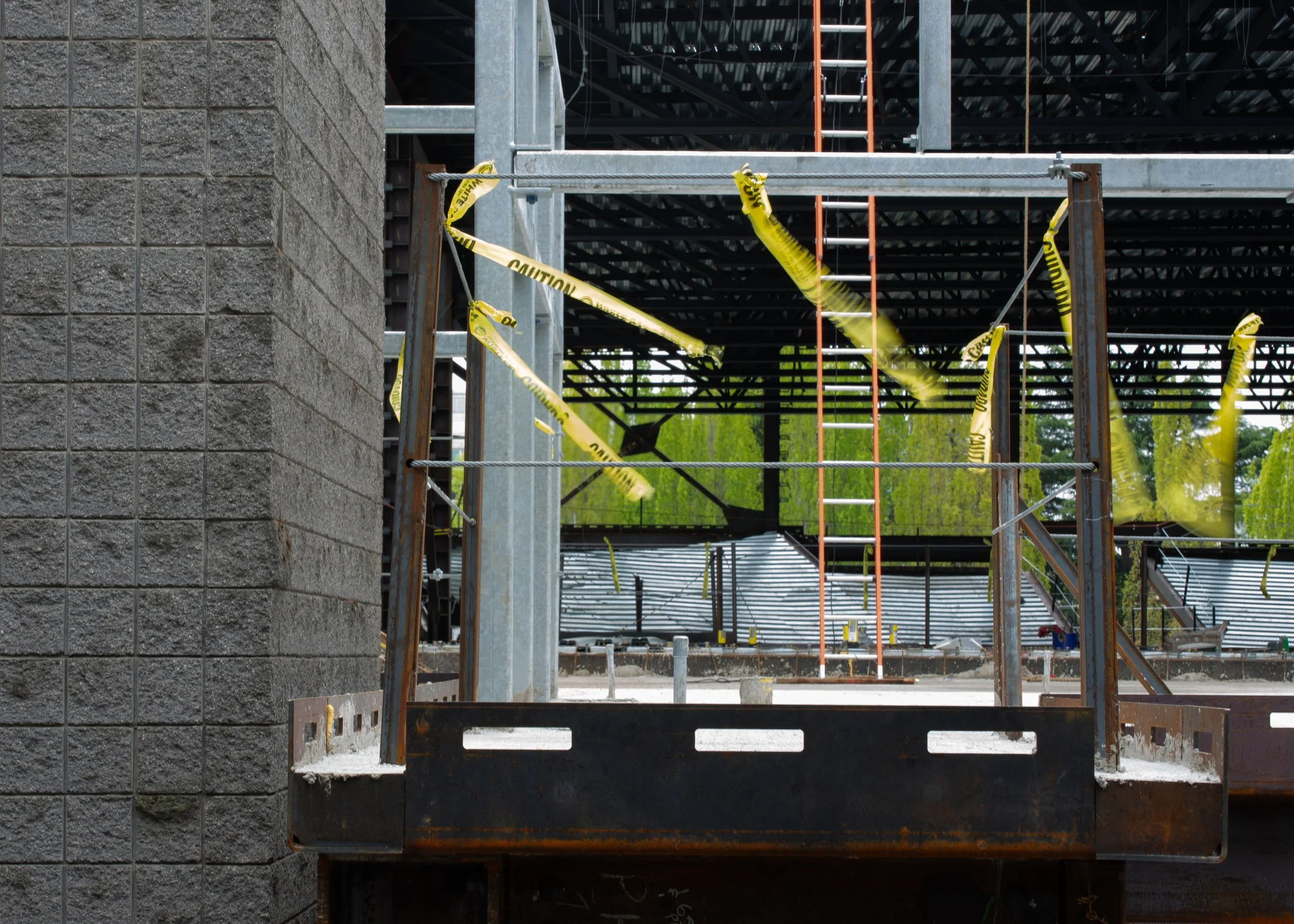
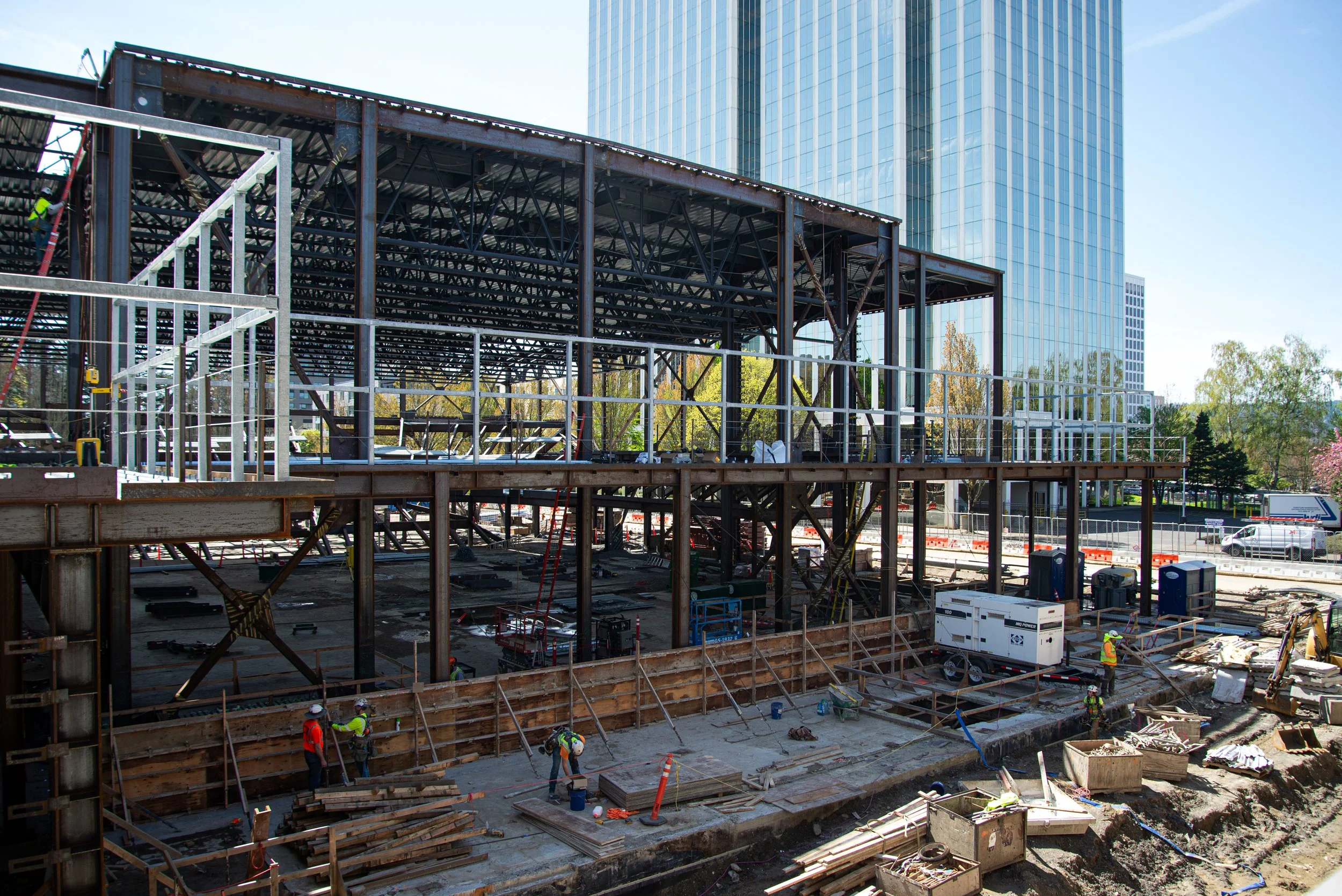
In 2023, Lloyd Center’s owner, Urban Renaissance Group, revealed a plan for the mall, something KGW called a “$1 billion-plus metamorphosis.” In 2026, URG shared the details, featuring renders of 14 developable parcels with 1.2 million square feet of green space. The final design is estimated to take at least a decade to complete.The first signs of construction can be seen where Nordstrom Rack once stood. A collaboration between Portland’s Monqui Presents and Colorado’s AEG Presents looks to counter the lack of Portland’s mid-sized entertainment venues. With a potential capacity ranging between 2,000 and 4,250, Monqui Presents will be in direct competition with the proposed Live Nation venue of a similar size. The nickname “Rose City” first took hold when Georgina Pittock founded the Portland Rose Society in 1889. The flower is not native to Portland or Oregon, but has rooted itself as an identifying symbol of the city. As construction continues, the opinions of community members differ. Many voice their worries about a loss of identity and culture without the Lloyd Center, citing their childhood experiences and nostalgia for the pre-COVID era. Others stand in support of the change, recognizing the need for revitalization and new opportunities in an area beyond saving. The perspective of those in control of the change is clear. “As a city, we can’t afford to get stuck in the past,” says Tom Kilbane, managing director of the Urban Renaissance Group. “Portland needs this momentum for a more vibrant future.”