

Data Disrupts the Country Quiet
Producer Stephanie Hensley
Photographer Peiyu Li
Web Designer Alexandra Bondurant
Oregon is home to some of the most fertile farmland in the country. It’s quickly becoming one of the most sought-after locations for data center development. From Hillsboro to Boardman, farmers, families and communities are watching as water and power are redirected toward the tech industry. At the center of the debate is a question with no easy answer: who does this land belong to, and who gets to decide what it’s used for?
-
![]()
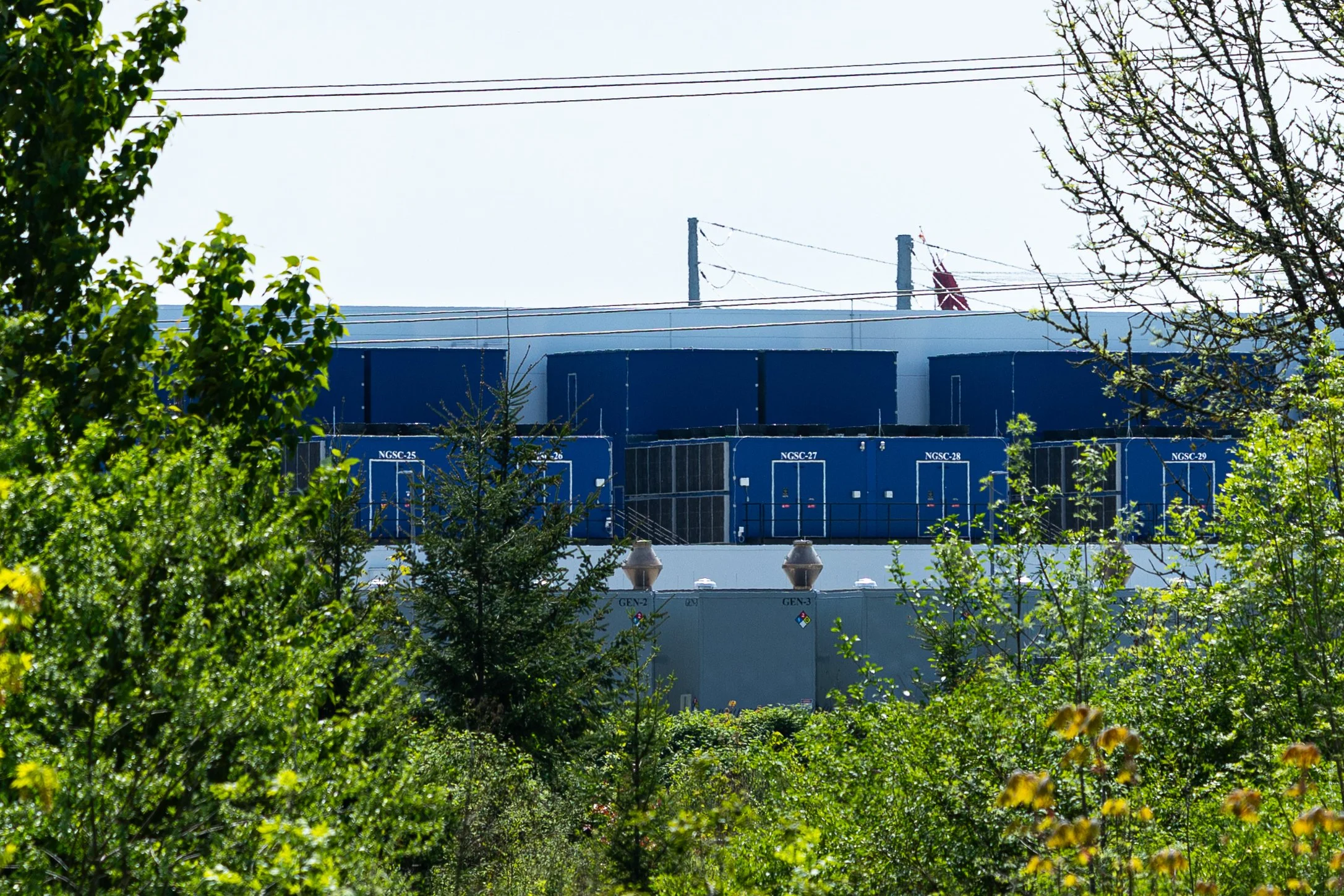
The Flexential Hillsboro 3 Data Center is nestled among farmland in Northwestern Oregon. The site has been active since 2021 and is one of multiple data centers built near agricultural land as technology infrastructure continues expanding in Washington County, Ore.
-
![]()
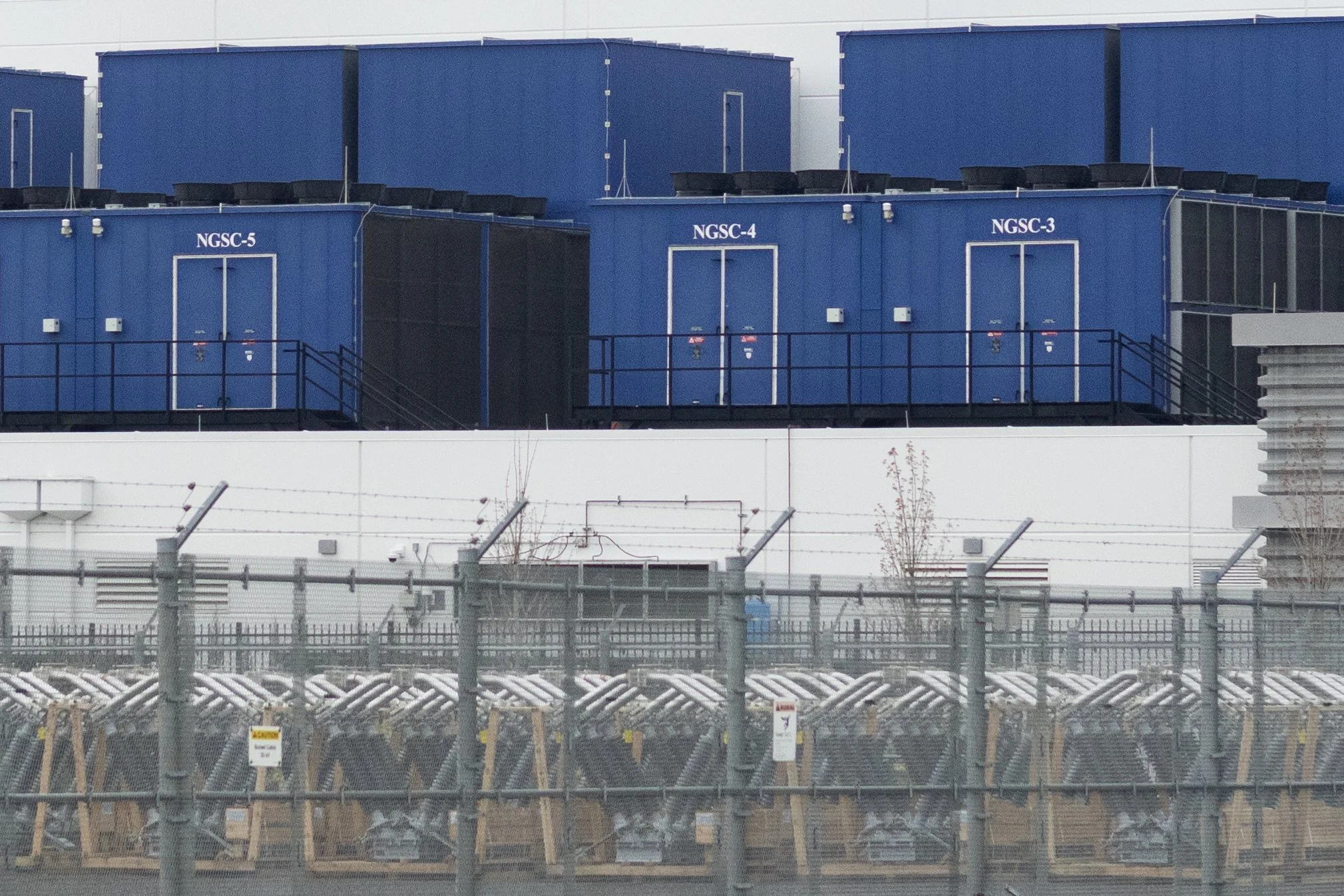
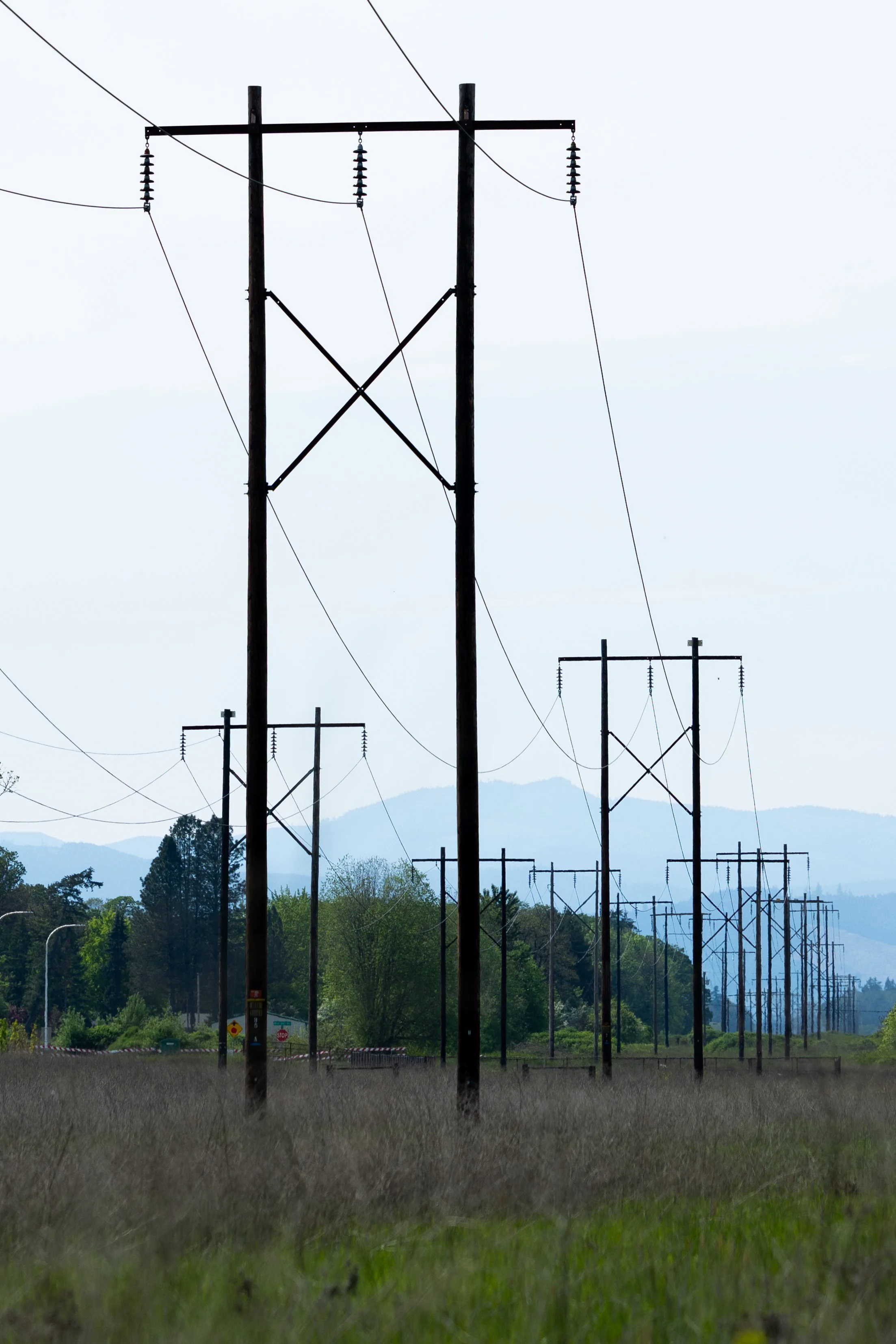
Electrical infrastructure is guarded by barbed-wire fencing at the outskirts of Hillsboro, Ore. The power lines feed numerous nearby data centers, which vie against agricultural operations for resources.
-
![]()
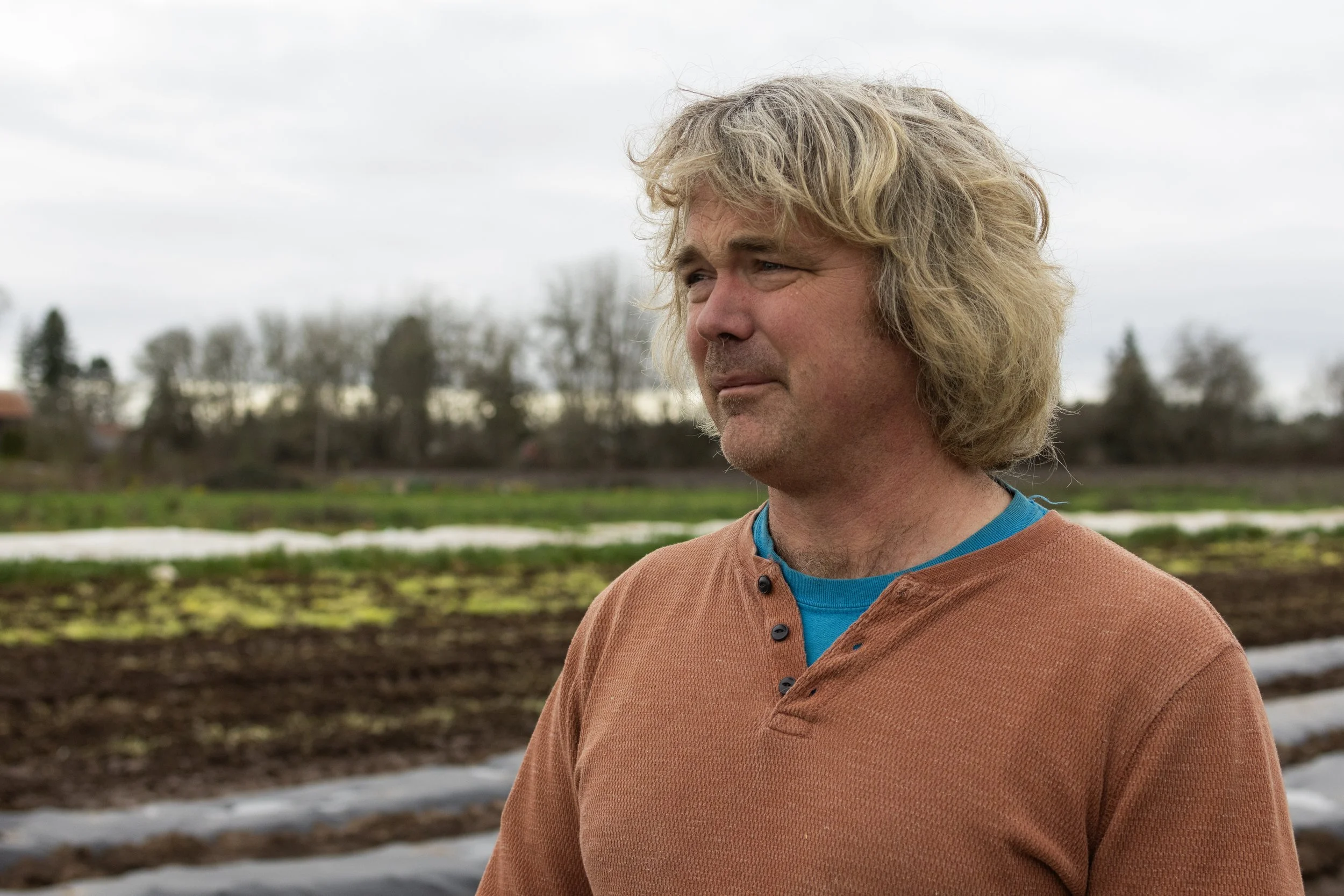
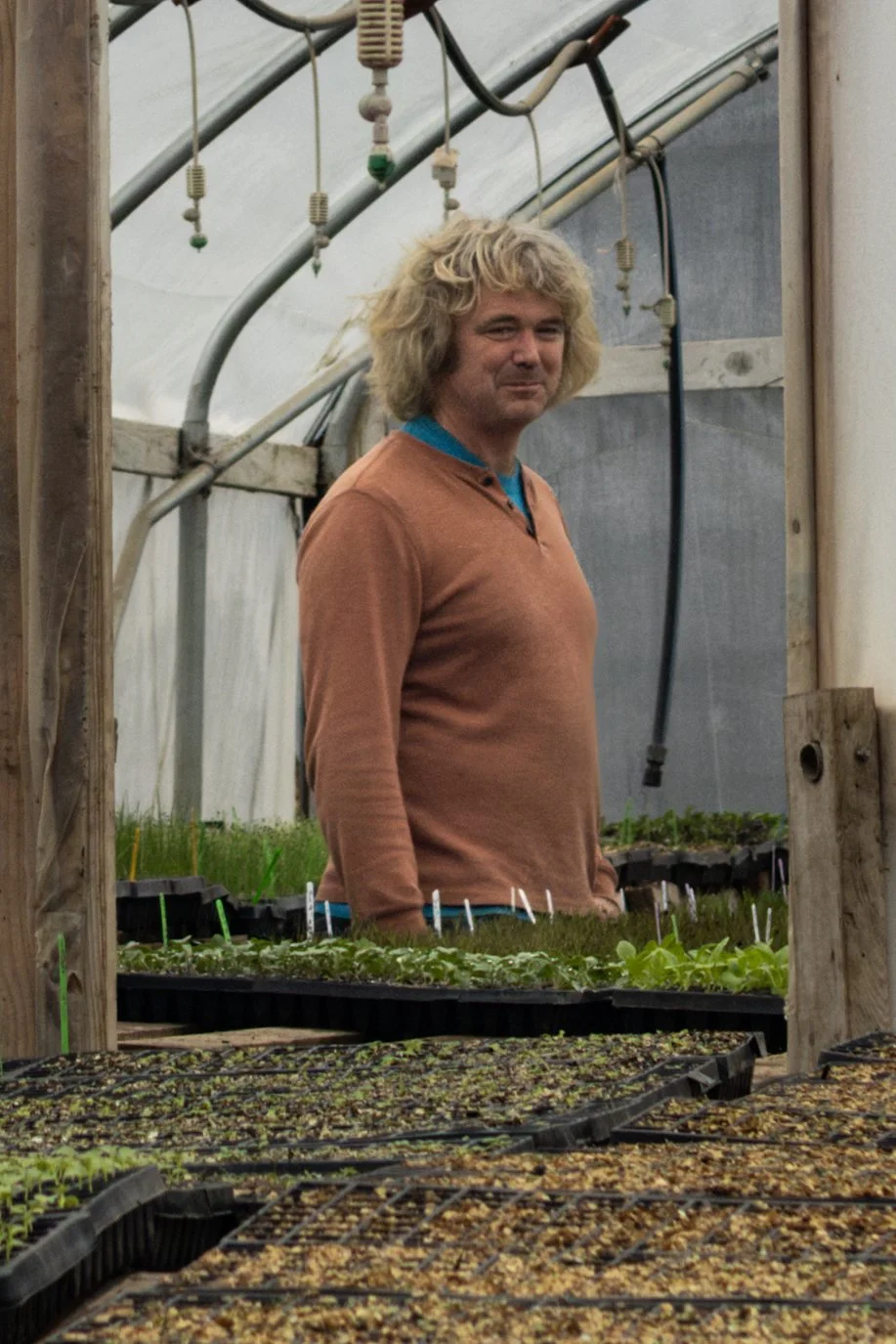
Aaron Nichols, owner of Stoneboat Farm in Hillsboro, Ore., champions farmland preservation. Nichols has become an advocate for farmworkers and agricultural communities affected by data center expansion.
-
![]()
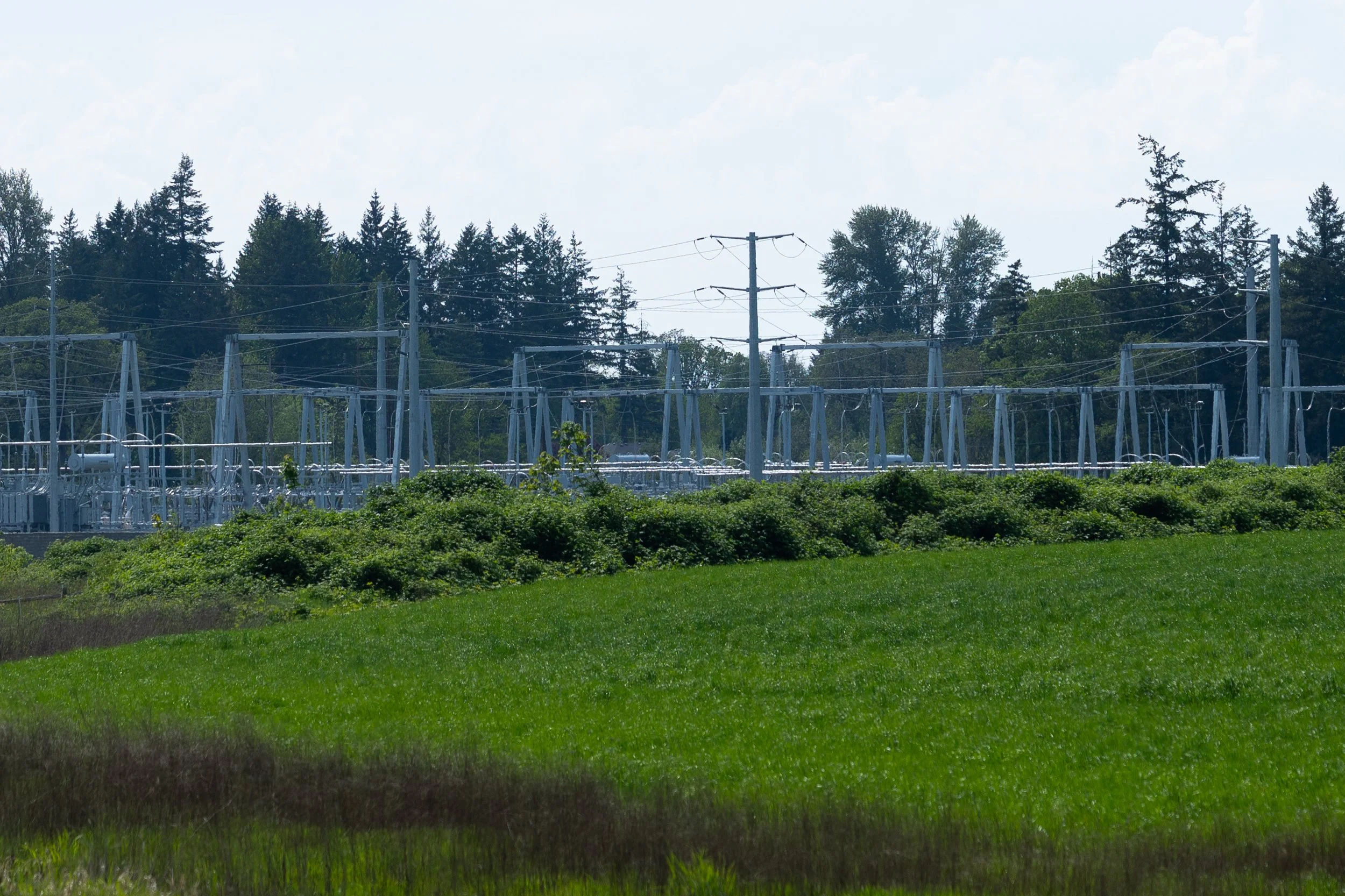
Power lines stretch across a field in Hillsboro, Ore. They run through much of the town’s farmland, primarily serving nearby data centers rather than the public.
-
![]()
Stoneboat Farm, located in Hillsboro, Ore., is just miles from 1,700 acres of farmland slated to be inside a new urban growth boundary. The farm’s owner, Aaron Nichols, has advocated against further data center development on agricultural land.
-
Hensley: In Hillsboro, just west of Portland, rows of farmland sit miles away from giant data centers. One grows food, the other stores the internet.
Aaron Nichols, is a co-owner of Stoneboat farms, where he and his brother grow vegetables.
When he’s not on the farm, he has to drive past multiple data centers to pick up his 11-year-old son from school.
It’s clear that during these drives home, data centers are a main topic of conversation. If you asked his son “how many gallons of water do data centers use?” He could tell you the exact number.
With flat land and hydroelectric power from the Columbia River, Oregon is prime real estate for industrial companies looking to develop centers, primarily in Eastern Oregon. The entire state is home to approximately 123 centers: half of which are in the towns of Hillsboro and Boardman.
Senate Bill 1586 became a point of contention because it threatened farmland in Oregon.
The bill would have added 1,700 acres to the existing urban growth boundary, and opponents feared it would accelerate data center growth on prime farmland.
Supporters of the bill saw it as an opportunity for economic growth and infrastructure development in the state.
They also claimed it would bring job opportunities to the area — instead, more than 700 people testified against the bill .. and it was dropped.
But the fight over land, water and tech infrastructure is far from over.
Hillsboro
Hillsboro has some of the best farmland in Oregon due to rich, fertile soil deposited by the Missoula Floods thousands of years ago.
Nichols, who’s been farming in Hillsboro for 14 years, has watched as data centers have encroached on the land around him.
Aaron Nichols: Our ability to feed ourselves and take care of our communities as climate change gets worse and progresses is something we need to be thinking about now and losing some of our very best farming soils would be a risk.
Hensley: In order for data centers to run smoothly, the servers need to stay at a consistent temperature. So, they take water from a local water source— maybe millions of gallons, depending on the center– to supply the cooling systems.
Sam Diaz is the director of 1,000 Friends of Oregon, a non-profit dedicated to land-use advocacy and environmental rights.
He says after water is extracted from the land by the gallon, it doesn’t usually go back, but when it does, it’s polluted.
Sam Diaz, 1000 Friends of Oregon: They bring in water into the facility. Less water comes out of the facility because it does evaporate and is cooling the equipment.
And then what's happening and what we're seeing in places like Boardman, Oregon…
BOARDMAN
Boardman is a town in Central Oregon. Since the initial development of data centers in 2011, it’s also been facing a water and land crisis.
Driving through the town, you’ll see the Columbia river on one side, flat wide-open terrain on the other –30 data centers in between, with the majority operated by Amazon.
The city of Boardman uses over 8 billion gallons of water a year. A quarter of that water..goes to the data centers instead of going to farmers.
Jonathan Tallman, a sixth generation farmer and a barista at his family’s coffee shop has been a vocal opponent of the town’s ties with Amazon.
His concerns include the $107.5 million tax breaks that Amazon received while local property owners, like himself, face rising property taxes.
But perhaps the most personal grievance is what happened to his family’s land.
For years, Tallman was able to look out on his family’s property with an unhindered view.
When data centers came in, the city started buying land around Tallman to put up power lines.
At the time, his father was struggling with dementia, and Tallman was not in a position to sell.
Under the guise of residential use, the city of Boardman found a loophole to put them up anyway.
All of a sudden, the view of his family’s livelihood was riddled with powerlines.
Tallman: So now, see that right there, that power line? Yes. They zigzagged a power line through my property seven years ago. They condemned the property, I can show you.
The city said it was for residential use. It isn't for residential use, it's for Amazon. It's dedicated to Amazon.
Hensley: The toll on his family was devastating. His father was used to seeing a version of his land that no longer existed: he could not grasp the sudden change, and his son didn’t realize the impact until it was too late.
Tallman: I was saying, “Dad, how are we going to pay for this?” How are we going to figure out how it works? And eventually they just eminent domained us and surrounded us… and pushed us out. And my dad went paralyzed.
Terry Tallman passed away three years later in 2022 at 76. His son thinks that it was, in part, due to the stress.
The argument that data centers boost jobs and economic growth may be true in the short-term, but for farmers and other Oregonians who need this land to survive, the impact will compound over generations.
When data centers are implemented, farmland is lost, water is stripped from the earth and communities that have been ingrained for decades are disrupted.
For Flux Magazine, I’m Stephanie Hensley